



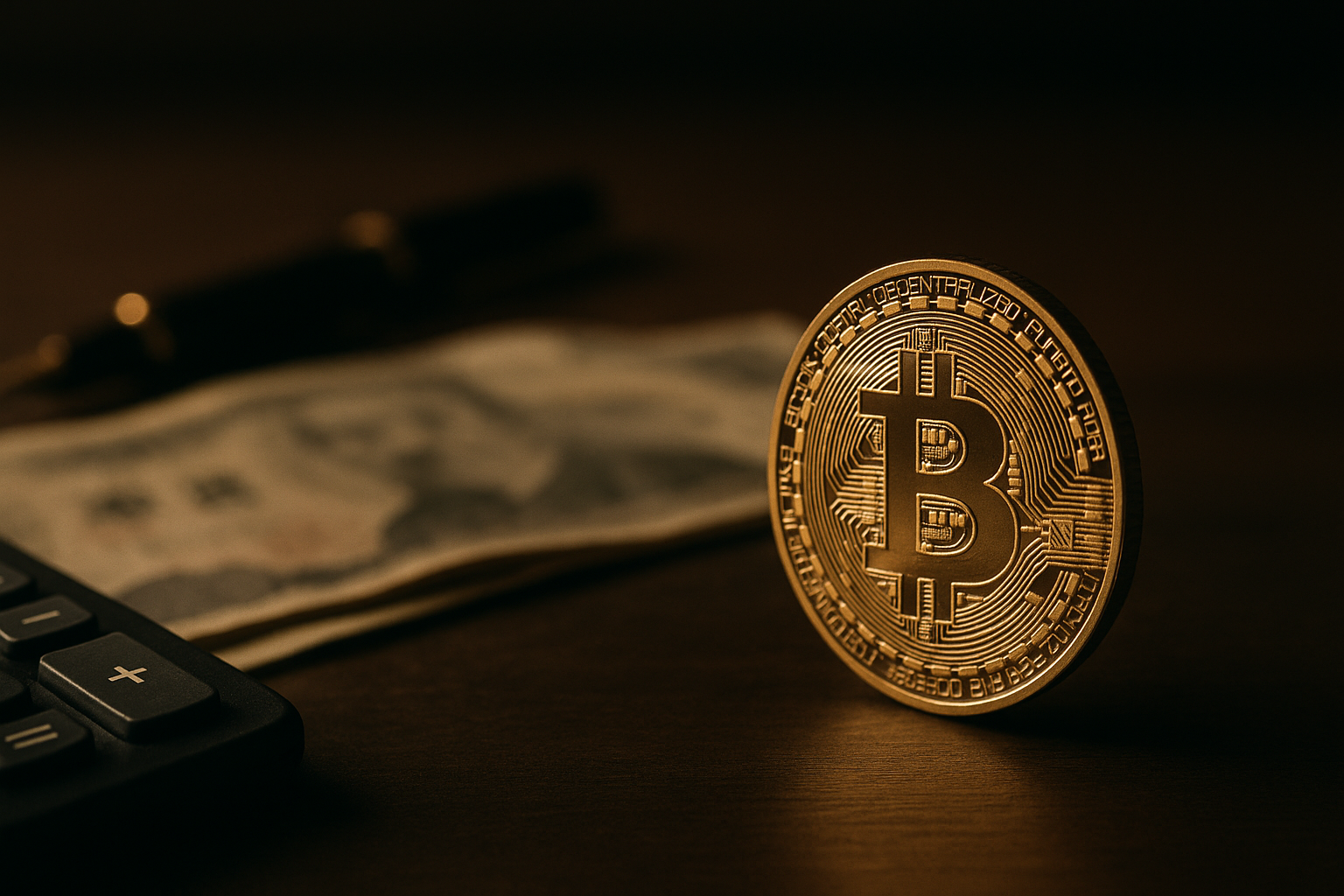
The Bank of Japan (BoJ) recently implemented a significant monetary policy shift by raising its short-term interest rate by 25 basis points to 0.75%, reaching a peak not seen in nearly three decades. This adjustment signals the central bank’s response to rising inflationary pressures and evolving global economic conditions, directly influencing market dynamics domestically and internationally.
In the immediate aftermath, Bitcoin (BTC) experienced a notable price surge, climbing above the $87,000 mark. This movement reflects Bitcoin’s growing perception as a hedge against currency devaluation amid the yen’s notable depreciation following the rate hike. The weakening yen impacts traders and investors by pushing capital towards alternative assets, particularly decentralized digital currencies with fixed supply metrics such as Bitcoin. This interplay emphasizes the ongoing interconnectedness between traditional fiat monetary policies and cryptocurrency markets.
On a broader scale, the BoJ’s rate decision marks a pivotal moment for the global financial landscape. Japan, being a key player in international finance and trade, influences liquidity flows and cross-border capital allocations. Rising interest rates tend to tighten monetary conditions, which can constrain global growth, affect foreign exchange markets, and increase volatility in risk-sensitive asset classes. As a result, cryptocurrency ecosystems and blockchain protocols may see shifts in user behavior, capital inflows, and innovation momentum as participants recalibrate their strategies to navigate a more stringent macroeconomic environment.
Looking ahead, market participants should closely monitor subsequent monetary policy announcements and inflation data in Japan and other major economies. The persistence of higher interest rates might sustain the pressure on the yen while continuing to bolster demand for Bitcoin and other digital assets. Additionally, regulatory developments in the crypto sector and evolving institutional adoption trends remain critical factors that could influence market stability and growth trajectories.
Historically, such monetary tightening often induces mixed sentiment within crypto markets—balancing risk-on appetite with periods of consolidation and recalibration. Investors and analysts are therefore advised to observe liquidity conditions, macroeconomic indicators, and market sentiment shifts as key determinants shaping near-term price dynamics without relying on speculative forecasts.
Ready to trade with structure, not guesswork?
Join EPIQ Trading Floor and get real-time data, market breakdowns, 24/7 news feeds, and so much more:
https://epiqtradingfloor.com/
Start with a 3-day free trial of the EPIQ All-Access Pass:
https://epiqtradingfloor.com/all-access-pass/










Responses