



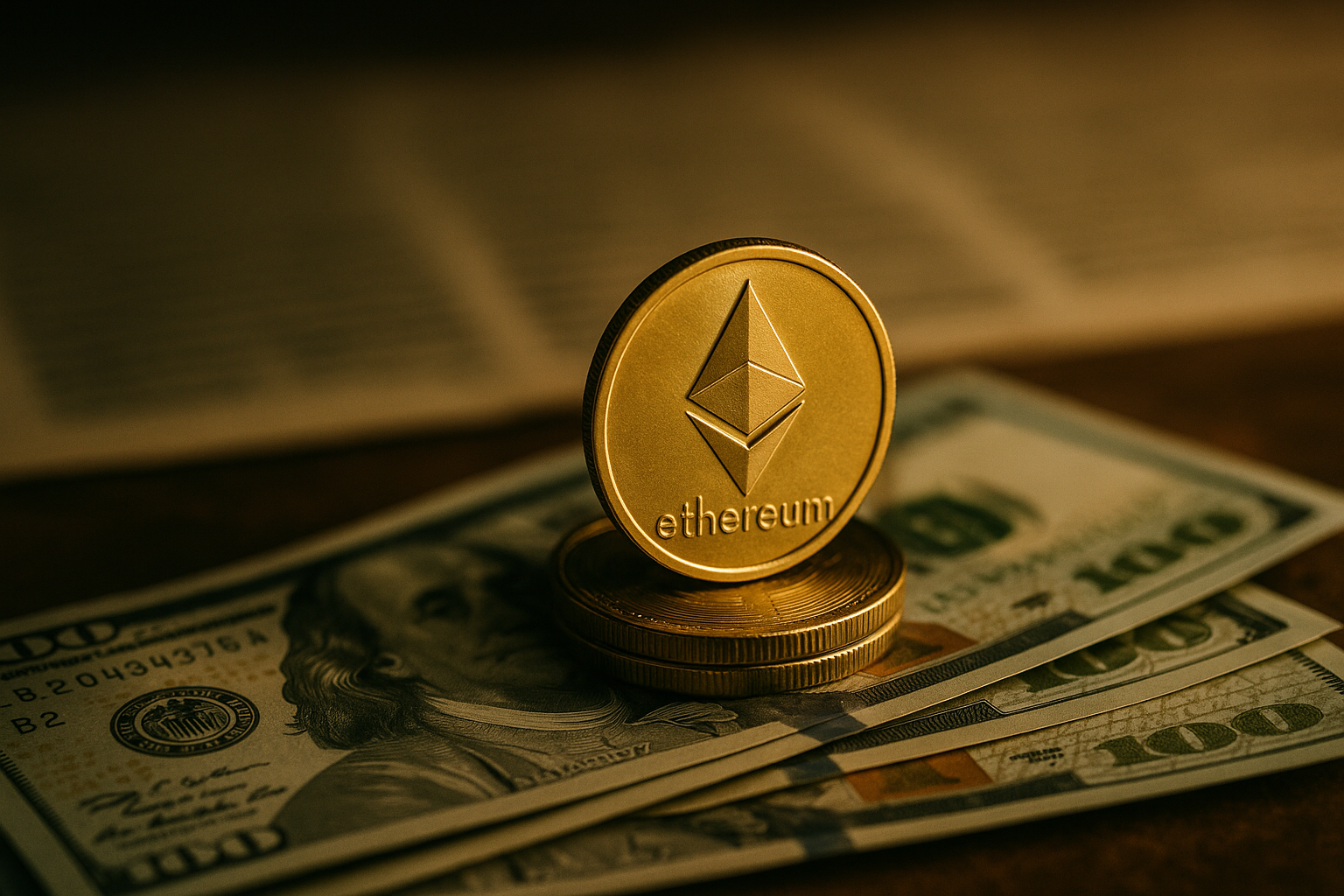
Bitmine’s strategic decision to pivot towards building a treasury primarily composed of Ethereum has become a significant development in the evolving landscape of crypto asset management. Initially, this bold move generated exceptional market enthusiasm, with Bitmine’s stock experiencing a dramatic rally exceeding 3,000%. However, recent market trends have seen this momentum temper, with the company’s Ethereum stock bet now down approximately 80%. Despite this substantial downturn, a notable portion of the demand continues to be driven by South Korean investors, reflecting localized consumer confidence and a unique regional appetite for ether-based investments.
This shift has considerable implications for the broader crypto ecosystem, particularly in terms of how mining firms and institutional players are positioning their portfolios in the increasingly competitive decentralized finance (DeFi) and smart contract arenas. By focusing on Ethereum, Bitmine aligns itself with the second-largest blockchain network, which continues to undergo critical upgrades—such as the transition to Ethereum 2.0 and enhancements in scalability and energy efficiency. These technical advancements support long-term network utility, positioning Ether as a resilient native asset in a market prone to volatility. Moreover, Bitmine’s pivot underscores a growing trend of mining and treasury management strategies favoring liquidity and asset diversification within top ecosystems.
On a macro level, Bitmine’s experience exemplifies the broader challenges facing crypto enterprises that are integrating traditional stock market mechanisms with the rapid innovation cycles of blockchain technology. South Korea’s sustained interest spotlights cultural and regulatory nuances influencing crypto adoption, where retail investors often demonstrate robust engagement despite global market retrenchments. This dynamic hints at potential avenues for blockchain projects, funds, and exchanges to tailor offerings to regional investor profiles while navigating shifting regulatory landscapes. However, the volatility in asset valuation emphasizes the inherent risks associated with concentrated cryptocurrency holdings, making adaptive risk management and dynamic treasury allocation ever more critical.
Looking ahead, key indicators to monitor include Ethereum’s network upgrade milestones, shifts in mining reward structures, and evolving investor sentiment in core markets such as South Korea. Regulatory developments within Asia, particularly South Korea’s stance on crypto asset disclosure and custody, will also have consequential impacts on treasury management strategies. These factors combined will influence whether Bitmine’s gamble on Ethereum can restore its initial bullish trajectory or if it will need to recalibrate towards more balanced crypto asset portfolios.
Market reactions to Bitmine’s position illustrate a common pattern in sector-specific investment cycles: an initial surge in confidence and asset price appreciation followed by a sharp correction as market realities set in. Investor sentiment, especially in highly speculative sub-sectors like crypto mining treasuries, often oscillates based on technological progress, macroeconomic signals, and regulatory clarity. While South Korea’s sustained purchases suggest a base level of confidence, external pressures, including global market shifts and Ethereum’s ongoing upgrade success, will ultimately shape Bitmine’s treasury outcomes.
Ready to trade with structure, not guesswork?
Join EPIQ Trading Floor and get real-time data, market breakdowns, 24/7 news feeds, and so much more:
https://epiqtradingfloor.com/
Start with a 3-day free trial of the EPIQ All-Access Pass:
https://epiqtradingfloor.com/all-access-pass/







Responses