



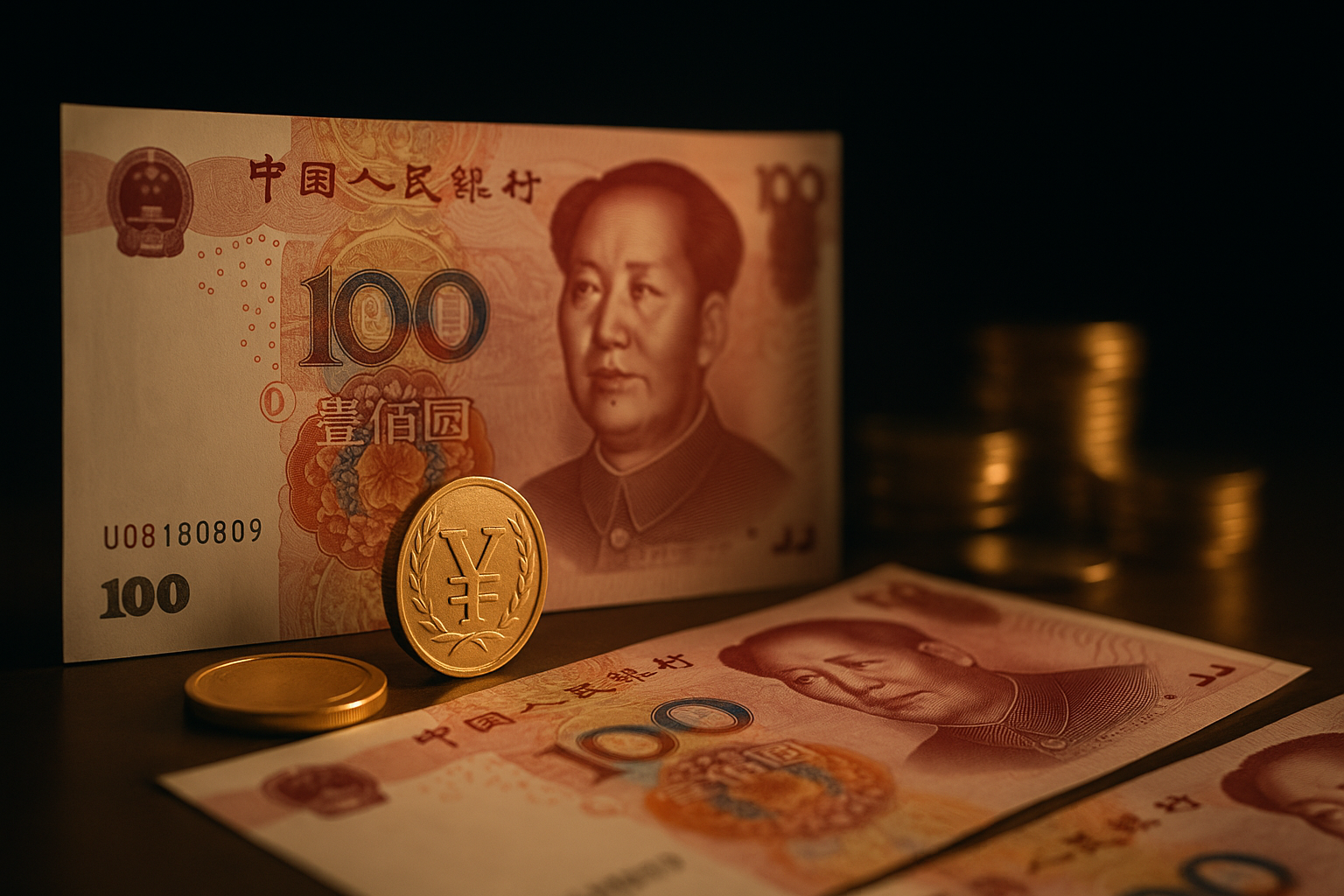
China’s strategic push to establish the Yuan as a globally recognized reserve currency marks a pivotal moment in international finance. In recent statements, President Xi Jinping reaffirmed the country’s commitment to strengthening the Yuan, underscoring its role beyond domestic borders into international trade, investment, and foreign exchange markets. This vision aligns with Beijing’s broader economic ambitions to diversify the global currency landscape historically dominated by the US dollar, reflecting shifting geopolitical and economic dynamics. Recognizing the Yuan as a ‘strong currency’ is a deliberate move to bolster China’s influence in shaping global financial architecture during a period when nations seek alternatives amid rising market uncertainties.
From a market and technical standpoint, advancing the Yuan’s internationalization signals potentially transformative developments for the global forex ecosystem. Inclusion in international trade invoicing, cross-border payment systems, and reserve allocations suggests enhanced liquidity and demand for the currency. Moreover, China’s initiatives in developing sophisticated digital currency infrastructure, including the Digital Yuan (e-CNY), offer a modern framework to facilitate seamless, secure transactions and compliance with evolving regulatory standards. These technical advancements could accelerate adoption by financial institutions, trading hubs, and multinational corporations, fostering integration with existing global payment networks and central bank digital currency (CBDC) experiments worldwide.
On a broader scale, the Yuan’s elevation to a global reserve status could recalibrate macroeconomic relationships and the global economic order. Increased reliance on the Yuan may reduce the dominance of the US dollar, influencing global capital flows, foreign exchange reserves management, and monetary policy considerations across continents. For emerging economies and trade partners, greater Yuan utilization offers an alternative settlement currency, potentially reducing exposure to dollar volatility and sanctions risks. However, challenges remain, including the need for greater financial market openness, enhanced legal frameworks, and transparent governance to build international trust and comply with global compliance norms.
Looking ahead, a critical aspect to monitor is how China balances currency flexibility with monetary policy control amid global economic pressures. Observers will also watch international stakeholders’ response to China’s regulatory reforms and infrastructural developments that support the Yuan’s usage. The pace at which key central banks and sovereign wealth funds diversify reserves into the Yuan will serve as valuable indicators of its growing acceptance. Concurrently, geopolitical tensions and trade policy evolutions could either accelerate or hinder this transformation.
Market sentiment surrounding the Yuan’s internationalization is mixed, reflecting optimism about China’s technological advancements and long-term strategy, alongside caution about structural constraints and global political factors. Investors and institutions are increasingly attentive to shifts in foreign exchange reserves composition and cross-border payment facilitation via digital currency platforms. Overall, this pursuit underscores a significant phase in the evolution of international currencies amid broader digital transformation trends in global finance.
Ready to trade with structure, not guesswork?
Join EPIQ Trading Floor and get real-time data, market breakdowns, 24/7 news feeds, and so much more:
https://epiqtradingfloor.com/
Start with a 3-day free trial of the EPIQ All-Access Pass:
https://epiqtradingfloor.com/all-access-pass/









Responses