



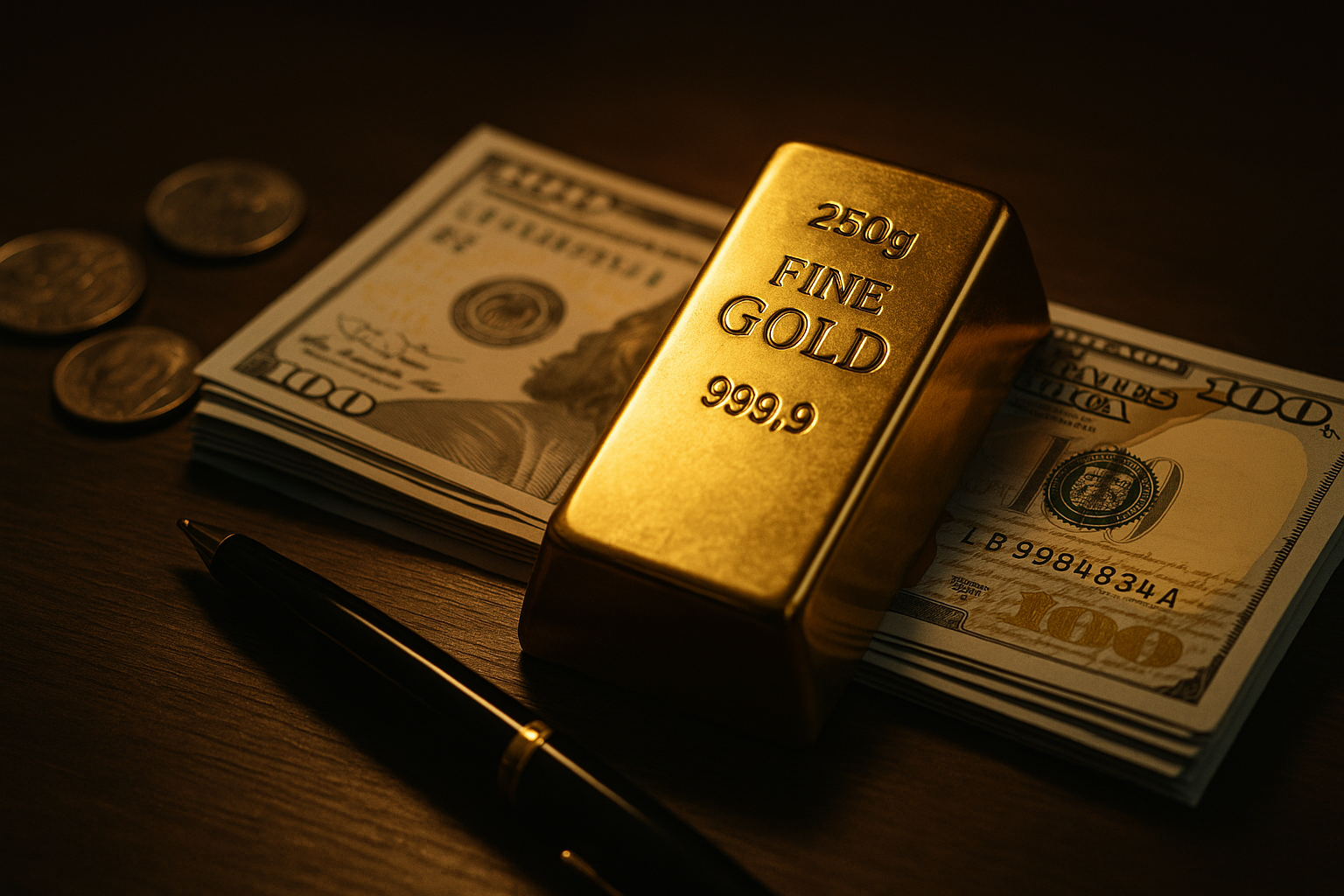
Gold prices are nearing the $5,000 per ounce threshold this week, driven by heightened market turbulence linked to unfolding geopolitical developments and renewed tariff uncertainties emanating from former US trade policymaking. This notable surge marks the most robust weekly advance for gold since the early stages of the coronavirus pandemic in 2020. Investors are gravitating towards traditional safe haven assets amid a weakening dollar and elevated fears over the global economic outlook. Silver has also seen significant gains, breaching the $100 per ounce level, underscoring broader interest in precious metals as a hedge against currency devaluation and trade-related risks.
From a market structure perspective, these movements exemplify how geopolitical events featuring strategic regions such as Greenland can reverberate through currency markets and commodity prices. The US dollar’s recent bouts of weakness reduce its appeal as the world’s dominant reserve currency, prompting asset managers to recalibrate portfolios towards gold and silver holdings. Technically, gold’s momentum driven by these catalysts may trigger shifts in trading volumes and volatility indexes, influencing liquidity and short-term price formations. The interplay between tariff policy rhetoric and metal price dynamics highlights the sensitivity of precious metals markets to macroeconomic policy signals, particularly in an environment of supply chain fragility and inflationary pressures.
At an industry level, the rally in gold and silver prices intensifies focus on mining operations and related extraction technology innovation. Higher metal valuations can support exploration investments and accelerate the adoption of sustainable mining practices to meet rising demand. Furthermore, the rally has implications for central banks and institutional investors who monitor gold holdings as part of diversified reserve strategies amid uncertain fiscal landscapes. The broader commodities ecosystem may experience ripple effects, influencing industrial metals and energy markets tightly coupled with global trade policies and currency strength.
Looking ahead, market participants will closely monitor the evolution of geopolitical tensions in Greenland, trade policy developments, and Federal Reserve guidance on interest rates and currency interventions. These factors will play a crucial role in shaping precious metals’ trajectory and dollar valuation. Volatility could remain elevated as conflicting signals emerge between growth expectations and protective monetary strategies, underscoring the importance of real-time data analytics and risk management tools in navigating this complex environment.
Investor sentiment traditionally favors a bullish stance on gold amid crises and currency worries, reinforcing its role as a portfolio diversifier. However, episodes of rapid price escalation can also invite speculative trading and technical corrections. Sustained momentum will likely depend on macroeconomic fundamentals and geopolitical stability alongside market liquidity conditions. Overall, the current environment continues to validate gold and silver as critical components within asset allocation frameworks responding to global volatility and economic uncertainty.
Ready to trade with structure, not guesswork?
Join EPIQ Trading Floor and get real-time data, market breakdowns, 24/7 news feeds, and so much more:
https://epiqtradingfloor.com/
Start with a 3-day free trial of the EPIQ All-Access Pass:
https://epiqtradingfloor.com/all-access-pass/








Responses