



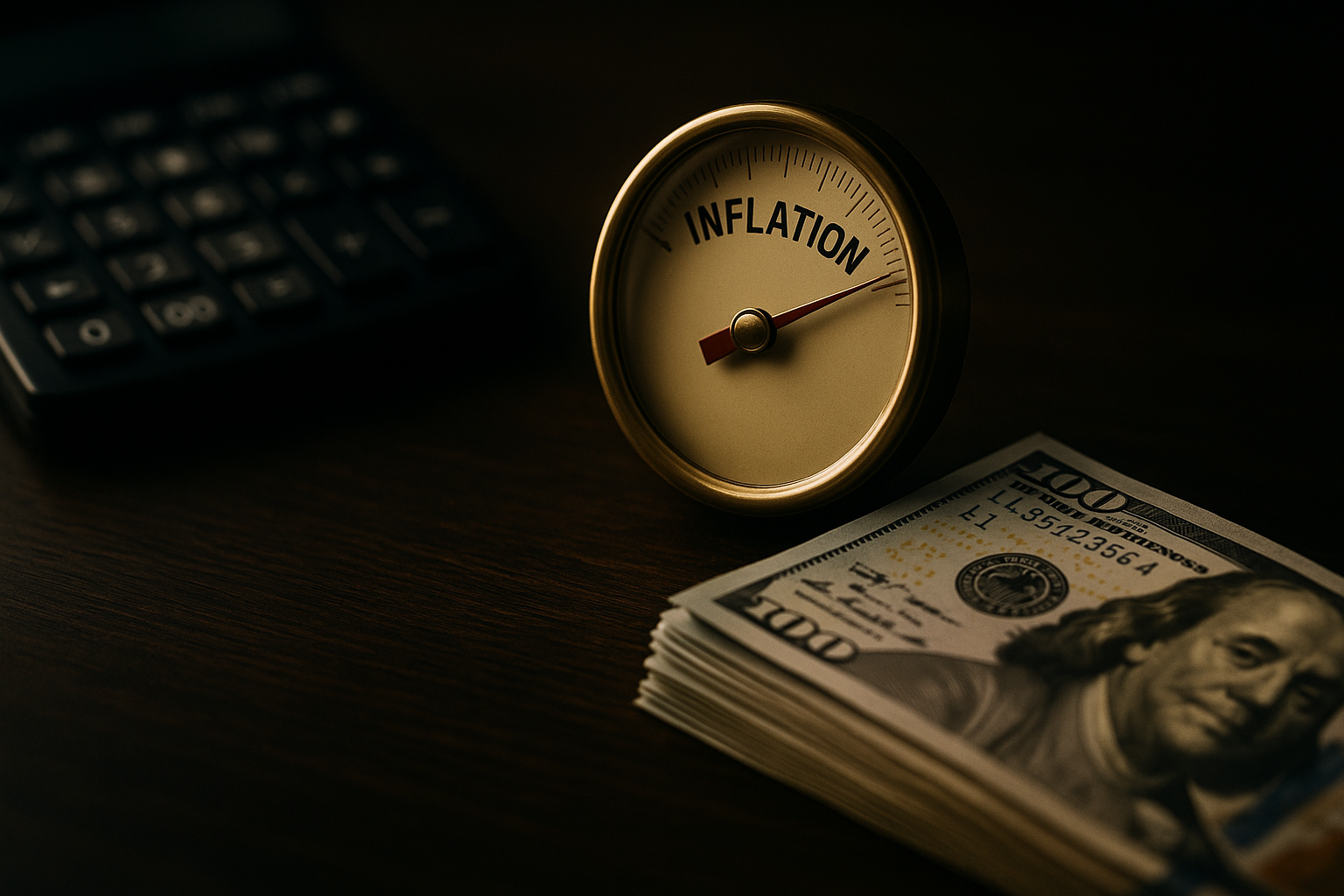
The US Dollar (USD) exhibited subdued momentum throughout the past week amid a backdrop of geopolitical uncertainty and domestic economic concerns. Notably, tensions surrounding US foreign policy toward Iran intensified but softened by the week’s end, contributing to market indecision. This indecisiveness underscores the current fragile balance in the forex markets where directional cues remain elusive. As traders await clearer signals, incoming inflation data is positioned to become the critical determinant guiding FX valuations in the immediate term.
From a technical perspective, the lack of pronounced directional movement in the USD suggests consolidation phases across major currency pairs involving the dollar. Financial markets are closely monitoring inflation indicators, including consumer price index (CPI) releases and producer price indexes, which serve as barometers for purchasing power and monetary policy direction. Given that central banks, particularly the Federal Reserve, embed inflation expectations into interest rate strategies, any deviation in inflation metrics could trigger adjustments in currency valuations. Consequently, traders and institutions are recalibrating positions, reflecting a cautious stance ahead of these releases.
More broadly, inflation’s influence on currency markets reverberates through global economic frameworks, affecting capital flows, trade balances, and investment decisions. Elevated inflation rates can pressure monetary authorities to adopt tighter policies, potentially strengthening the domestic currency but also raising concerns about economic growth. Conversely, subdued inflation may reinforce accommodative stances, prompting currency depreciation. This dynamic interplay is especially significant as the global economy navigates post-pandemic recovery phases coupled with persistent geopolitical risks, making inflation data not merely a snapshot of price levels but a strategic indicator for currency market trajectories.
Looking forward, market participants should focus on upcoming inflation reports and central bank communications for clues about future monetary policy shifts. Additionally, ongoing geopolitical developments, particularly any changes in US foreign relations, may still impart volatility but are presently overshadowed by economic indicators. Investors should remain alert to potential volatility spikes around data releases, which are prone to trigger rapid adjustments in risk sentiment and FX positioning.
Typically, in scenarios where inflation surprises consensus estimates—either on the upside or downside—currency markets react swiftly, with increased volatility and volume. Market sentiment tends to oscillate between risk-on and risk-off depending on whether inflation data signals economic overheating or stability. Understanding these patterns is essential for contextualizing market movements and preparing strategic responses in the dynamic forex environment.









Responses