



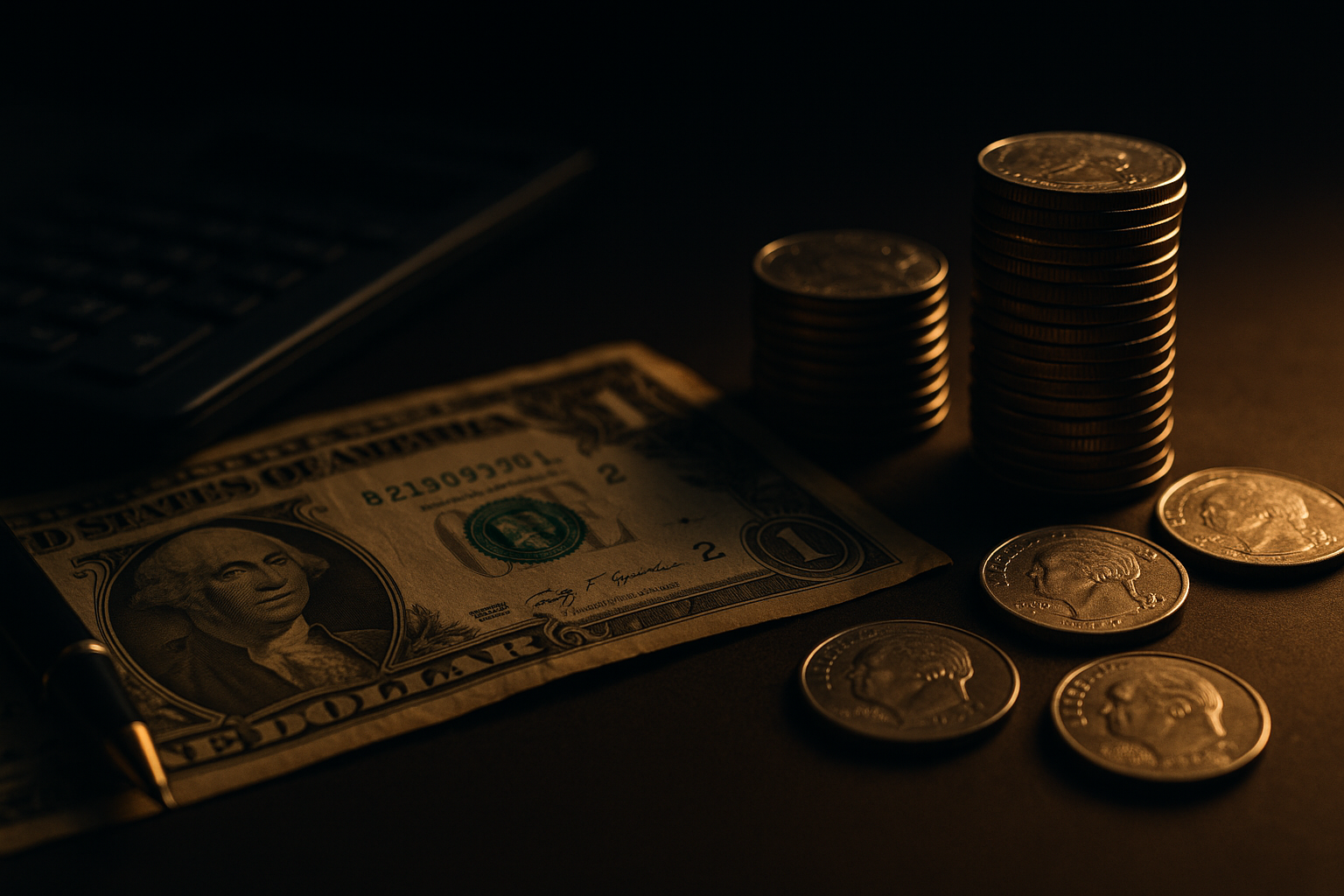
The United States’ current account deficit—the gap between its imports and exports of goods, services, and income—has become an increasingly urgent economic issue amid persistent dollar weakness. A depreciating US dollar, while traditionally a tool to support exporters by making their goods more competitive abroad, now raises critical concerns given the scale of America’s external imbalances. This context matters now more than ever, as global trade tensions and shifting monetary policies create vulnerabilities that could impact the dollar’s stability and, in turn, the long-term sustainability of the current account.
From a market perspective, the interplay between the dollar’s exchange rate and the current account deficit has wide-reaching implications. A weaker dollar generally increases the cost of imported goods, which can exacerbate inflationary pressures domestically. For foreign investors holding US debt instruments, currency depreciation reduces returns when converted back into their native currencies, potentially diminishing the appetite for US Treasury securities. This dynamic could increase borrowing costs for the US government and place upward pressure on interest rates, challenging financial markets and investor confidence.
Broader macroeconomic effects are equally significant. The United States’ role as the world’s primary reserve currency provides it with unique advantages in financing its deficits; however, sustained dollar weakness might undermine this position and alter global capital flows. Countries heavily reliant on US dollar-denominated trade and finance may adjust their strategies, seeking diversification into alternative currencies or assets within emerging crypto and blockchain ecosystems. This trend could accelerate structural shifts in international finance, emphasizing the need for robust economic policies and coordination to mitigate systemic risks.
Looking ahead, watch for key indicators such as shifts in foreign exchange reserves, changes in sovereign debt issuance, and adjustments in trade balances amid evolving geopolitical stances. Additionally, developments surrounding digital currencies and decentralized finance platforms may offer alternative pathways for managing cross-border payments and settlements, potentially influencing the US dollar’s dominance in global markets.
Historically, markets react to announcements of widening current account deficits or dollar depreciation with increased volatility and risk aversion. Sentiment may fluctuate as investors balance the dollar’s traditional safe-haven status against emerging vulnerabilities driven by macroeconomic fundamentals. Monitoring these trends is essential for understanding the broader implications for economic growth and stability in the US and beyond.
Ready to trade with structure, not guesswork?
Join EPIQ Trading Floor and get real-time data, market breakdowns, 24/7 news feeds, and so much more:
https://epiqtradingfloor.com/
Start with a 3-day free trial of the EPIQ All-Access Pass:
https://epiqtradingfloor.com/all-access-pass/







Responses