



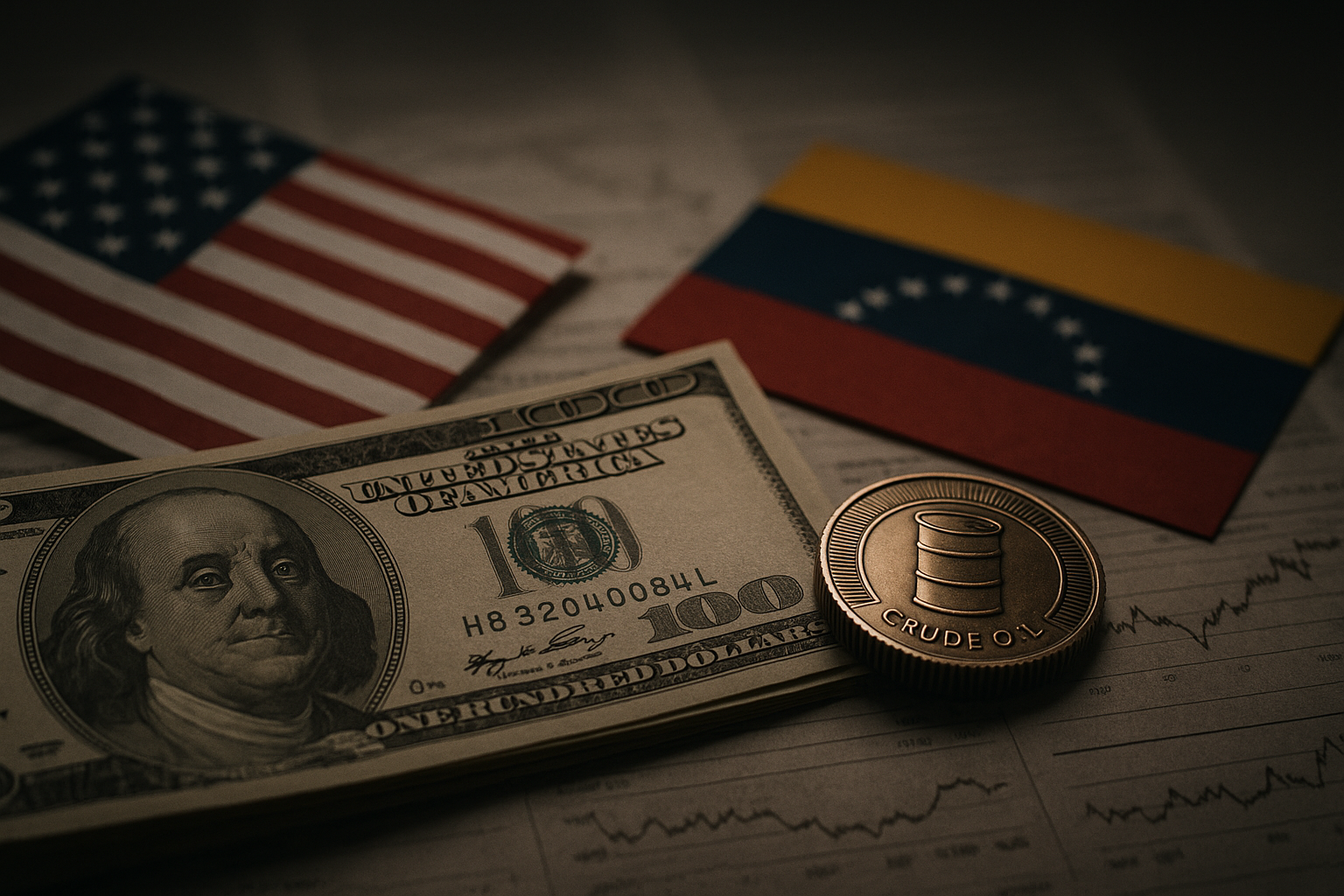
The United States government has announced new sanctions against four international traders accused of facilitating shipments of Venezuelan oil. This move underscores Washington’s strategic intent to further tighten economic constraints on the regime of Nicolás Maduro in Caracas amid concerns over human rights abuses, corruption, and the undermining of democratic institutions. By targeting key intermediaries in the Venezuelan oil supply chain, the US aims to disrupt revenue streams that support Maduro’s government and strengthen enforcement of earlier sanctions placed on Venezuela’s energy sector.
From an energy market perspective, these sanctions have immediate implications for global oil supply dynamics and trading ecosystems. Venezuela, possessing some of the world’s largest proven oil reserves, remains a pivotal player despite production challenges exacerbated by political instability and infrastructural decline. The newly sanctioned traders reportedly engage in sophisticated networks utilizing shell companies, maritime vessels, and complex transaction routes to circumvent previous restrictions. These developments may prompt tighter compliance measures across trading platforms, increased due diligence by intermediaries, and could influence crude oil price volatility due to uncertainties in Venezuelan supply continuity.
At the broader geopolitical level, the sanctions form part of a comprehensive US strategy aimed at isolating the Maduro administration internationally while signaling resolve against authoritarian regimes leveraging natural resources for political leverage. The move could heighten tensions between the US and nations sympathetic to Caracas, potentially complicating diplomatic negotiations on regional security, migration, and energy cooperation. Additionally, the sanctions highlight the intersection of statecraft and global commodity markets where sanctions enforcement requires robust intelligence and cross-border collaboration among regulatory agencies, maritime authorities, and financial institutions.
Looking ahead, market participants and policymakers will monitor the effectiveness of these sanctions in curbing illicit oil flows and whether alternative trading channels emerge to bypass restrictions. Heightened scrutiny on related maritime and blockchain-based asset transfer technologies is also anticipated, as actors increasingly employ innovative methods to evade detection. The situation emphasizes the importance of integrating technological tools with traditional regime sanctions for enhanced transparency in global commodity movements.
Ready to trade with structure, not guesswork?
Join EPIQ Trading Floor and get real-time data, market breakdowns, 24/7 news feeds, and so much more:
https://epiqtradingfloor.com/
Start with a 3-day free trial of the EPIQ All-Access Pass:
https://epiqtradingfloor.com/all-access-pass/









Responses