



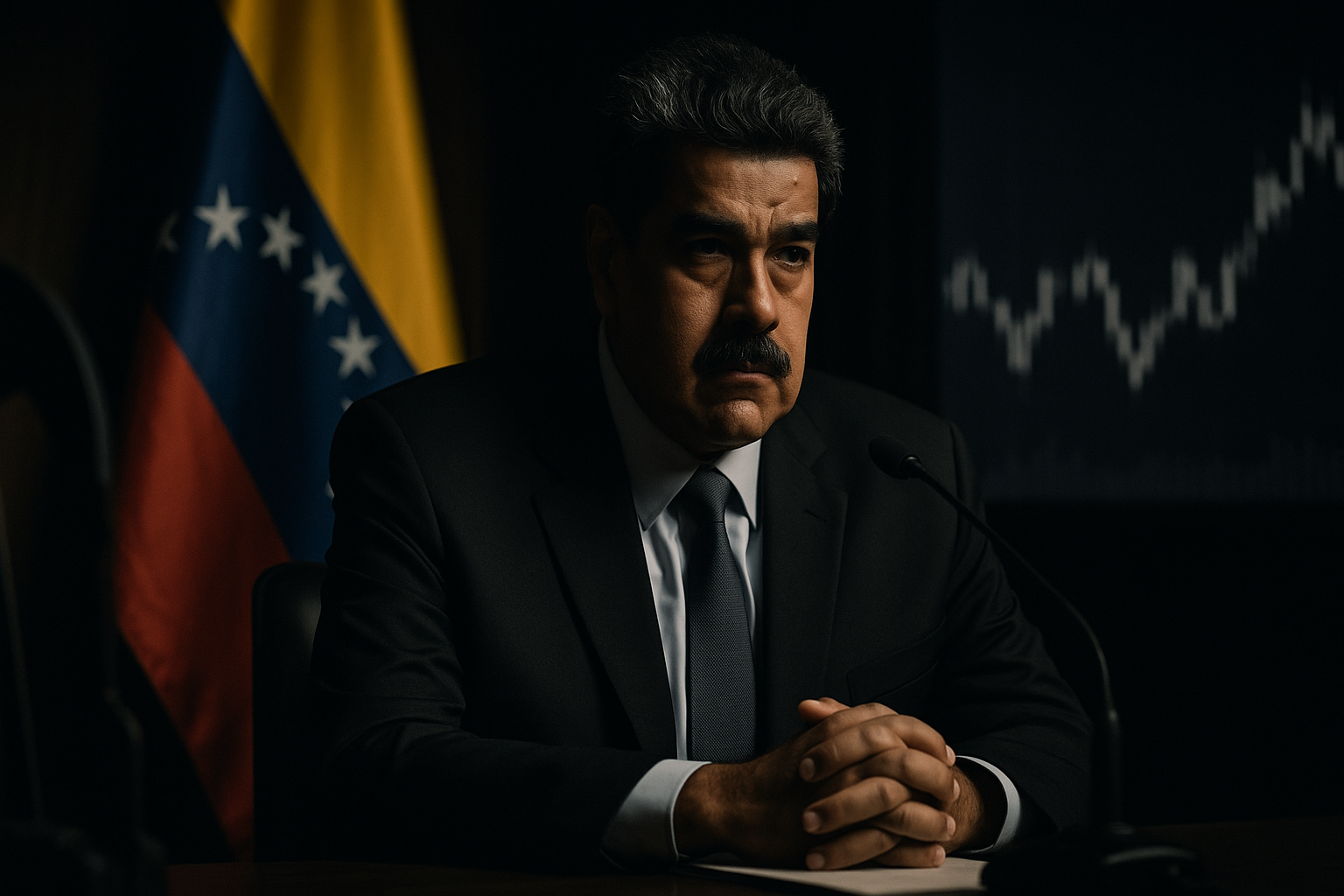
The ongoing economic confrontation between the United States and Venezuela has intensified scrutiny on Nicolás Maduro’s ability to maintain control amid mounting pressure from aggressive US oil sanctions. As the US administration enforces stringent restrictions on Venezuelan oil exports, the effectiveness of these measures in destabilizing Maduro’s long-standing regime is increasingly debated. This confrontation matters now more than ever, as Venezuela’s oil sector remains a crucial but beleaguered player in global energy markets, and Maduro’s political survival fundamentally shapes regional stability in Latin America.
From an economic and technical perspective, the US blockade poses significant challenges to Venezuela’s petroleum industry, which has suffered years of underinvestment and operational inefficiencies. The reduced ability to export crude oil not only shrinks government revenue but also limits the regime’s international leverage. Despite this, Venezuela has explored alternative export routes, such as clandestine shipments and partnerships with non-Western allies, to circumvent sanctions. This dynamic emphasizes the limits of traditional sanction strategies, underscoring the importance of evolving ecosystem adaptations within sanction-hit sectors.
More broadly, these developments contribute to shifting geopolitical and energy landscapes. Venezuela’s predicament influences oil supply forecasts and investment confidence across the Latin American energy sector, while also intertwining with US-Russia-China rivalries where energy resources serve as leverage. Additionally, the prolonged sanctions impact regional migration, humanitarian conditions, and global discussions on energy security. The scenario illustrates the intricate relationship between political power, resource control, and international sanction efficacy on authoritarian regimes.
Looking ahead, attention should focus on potential shifts in US foreign policy, the resilience of Maduro’s support base, and emerging international alliances that may alter sanction impacts or governance continuity. Monitoring developments in Venezuela’s oil infrastructure revitalization efforts and diplomatic channels could provide early indicators of changing political fortunes. The tension between enforcement of economic pressure and the threshold of domestic and international acceptance highlights the precarious balance impacting Venezuela’s future.
Market sentiment around Venezuela-related sanctions typically fluctuates with geopolitical news cycles, often reflecting uncertainty and risk aversion in energy commodity markets. Volatility spikes occur during announcements of tightened restrictions or reveals of sanction evasions. Traders and analysts alike must navigate this evolving environment prudently while assessing the broader macroeconomic and industry shifts precipitated by sustained political conflict and resource constraints.
Ready to trade with structure, not guesswork?
Join EPIQ Trading Floor and get real-time data, market breakdowns, 24/7 news feeds, and so much more:
https://epiqtradingfloor.com/
Start with a 3-day free trial of the EPIQ All-Access Pass:
https://epiqtradingfloor.com/all-access-pass/





Responses