



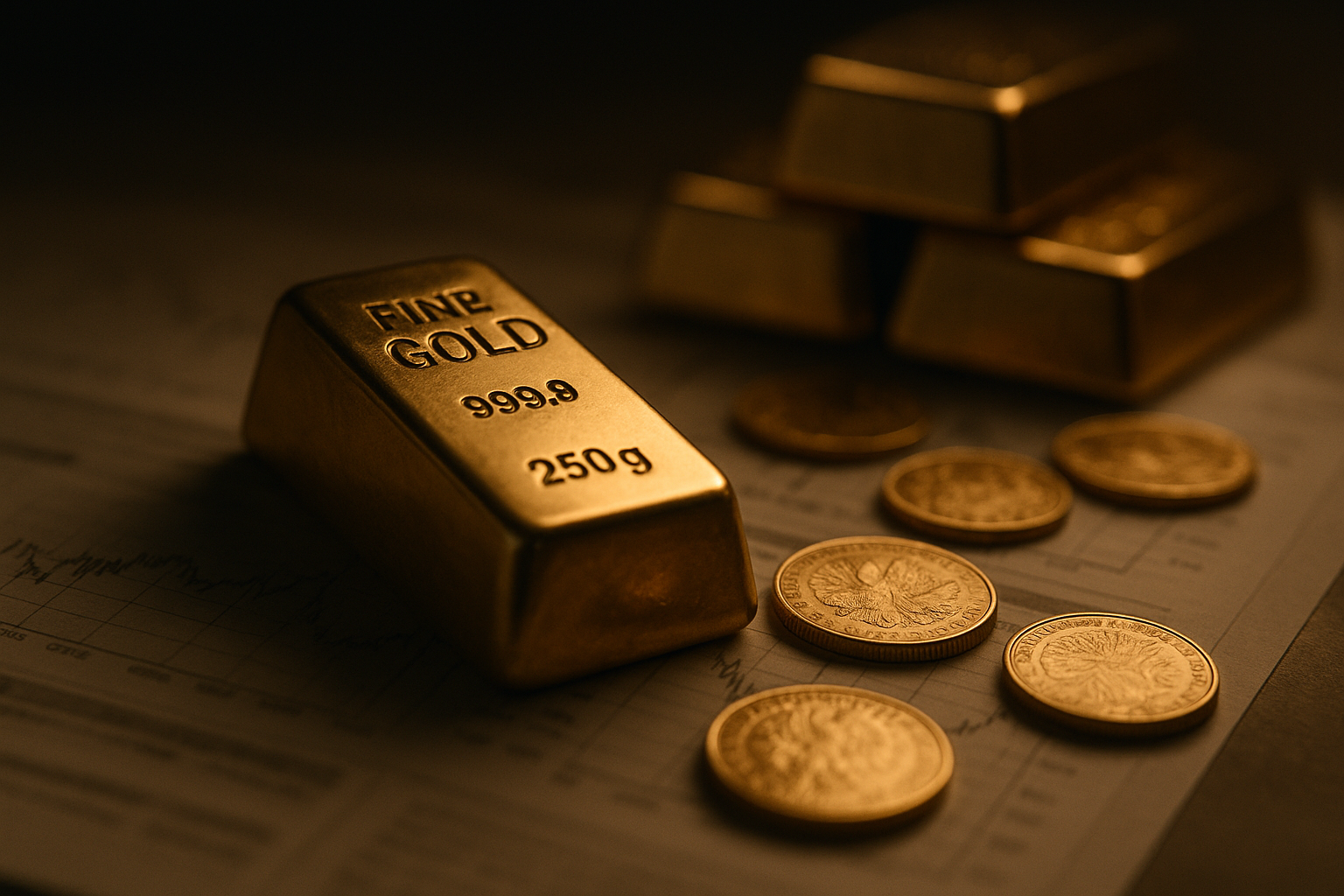
In recent months, the metals sector has captured significant attention due to a pronounced surge in gold, silver, and copper prices. This upward movement comes amid rising geopolitical tensions, inflation concerns, and evolving economic recovery trajectories across major economies. Understanding why these metals have gained momentum now is crucial, as they often serve as barometers for broader financial and commodity market dynamics, including inflation hedging, industrial demand shifts, and investor risk sentiment.
Technically, gold and silver have benefited from their enduring roles as safe havens during periods of heightened market volatility, sustaining investor interest despite a historically low-yield environment. Copper’s rally, on the other hand, is strongly linked to expectations surrounding global infrastructure spending and the accelerating energy transition. The metal’s price movements signal increased demand from the renewable energy sector, electric vehicle supply chains, and construction industries, highlighting its central position in the push toward decarbonization and green technologies.
The broader economic implications are layered. Rising metal prices can exacerbate input costs across manufacturing sectors, potentially feeding into inflationary pressures globally. Central banks and policymakers are closely monitoring these trends, as sustained metal demand and escalating prices influence monetary policy decisions and trade balances. Additionally, supply-side constraints, including geopolitical disruptions in key producing regions and logistical bottlenecks, add complexity to the metals market outlook.
Looking ahead, market participants should watch developments in global infrastructure initiatives, particularly in emerging economies, along with technological advancements in resource extraction and recycling. Regulatory shifts around environmental standards and carbon pricing may also impact metals demand and supply dynamics in the medium term.
Market sentiment tends to swing swiftly in response to macroeconomic data releases, central bank statements, and geopolitical events. Metals often experience spurts of volatility influenced by shifts in currency valuations, interest rates, and equity market performance. This interconnectedness underscores the importance of a multi-faceted approach when analyzing metals’ price behaviors, avoiding simplistic projections based solely on commodity cycles.
Ready to trade with structure, not guesswork?
Join EPIQ Trading Floor and get real-time data, market breakdowns, 24/7 news feeds, and so much more:
https://epiqtradingfloor.com/
Start with a 3-day free trial of the EPIQ All-Access Pass:
https://epiqtradingfloor.com/all-access-pass/





Responses