



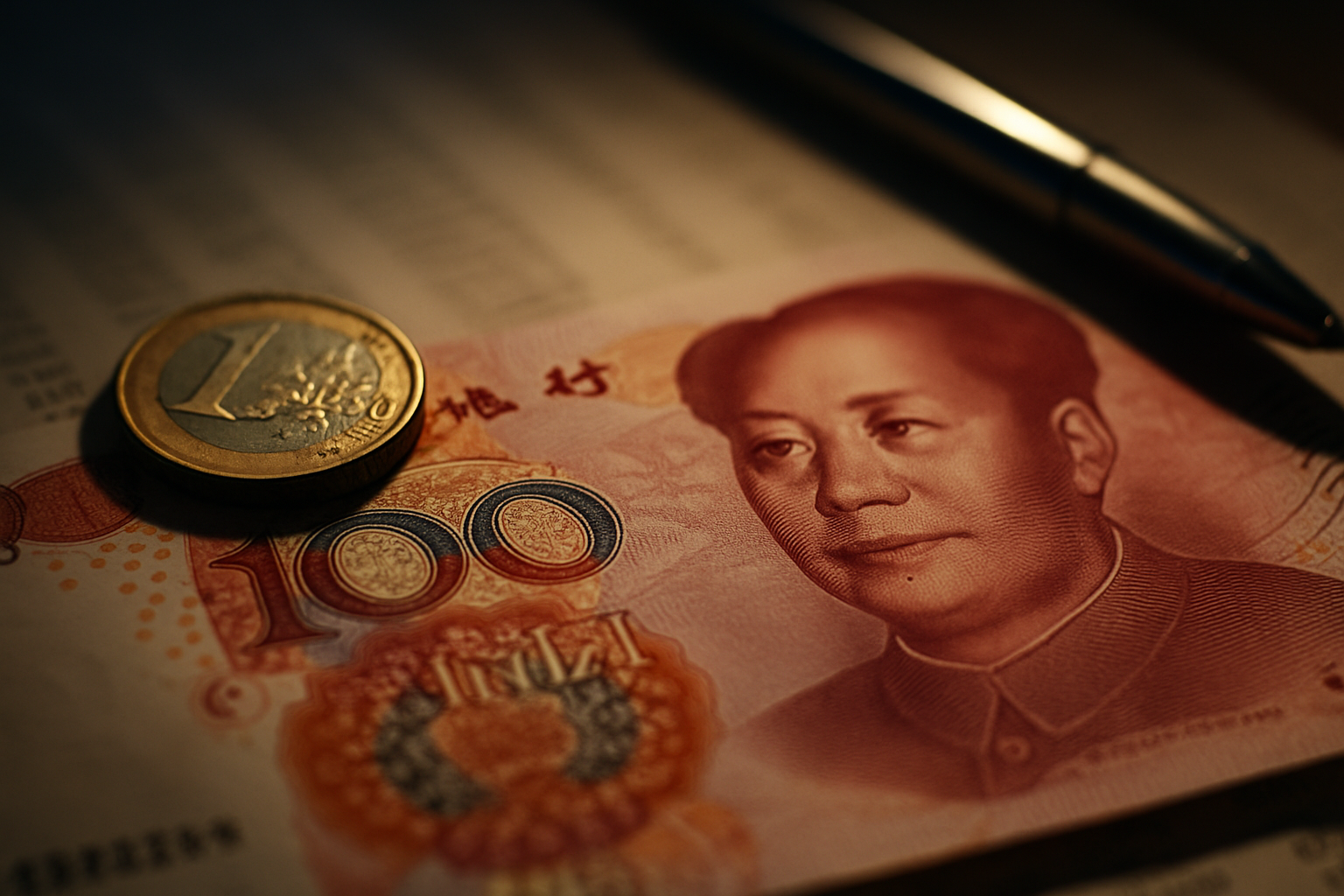
Global financial observers have intensified calls for Beijing to loosen its grip on the renminbi’s valuation, which many believe remains artificially suppressed. Allowing the Chinese currency to strengthen could address underlying distortions in trade balances and curb accusations of unfair export subsidies. This debate has become especially pressing amid shifting global economic dynamics and increased scrutiny of currency policies by major trading partners.
From a market perspective, a more valued renminbi would alter competitive dynamics within the international trade ecosystem. Chinese exporters could face narrower margins, potentially reducing the inflow of goods priced below global market levels. This currency adjustment might also trigger shifts in the People’s Bank of China’s monetary policy, influencing liquidity flows and capital market operations domestically and internationally. Furthermore, the move could instill greater investor confidence by demonstrating a willingness to embrace market mechanisms within currency management.
On a broader macroeconomic scale, an appreciating renminbi would recalibrate China’s role in the global economy. It could help mitigate trade tensions, particularly with the United States and European Union, by addressing concerns over currency manipulation and trade imbalances. Additionally, such a policy shift might affect global supply chains, commodity pricing, and capital allocation patterns, fostering a more balanced international financial environment. It also represents an evolution in China’s economic strategy, balancing export growth with domestic consumption and financial market reforms.
Looking ahead, market participants and policymakers will be watching closely for any indications of policy adjustments regarding the renminbi’s exchange rate. Key indicators include central bank communications, shifts in foreign reserves management, and changes in cross-border capital flow regulations. The speed and extent of any currency appreciation will be critical in shaping future trade relationships and financial stability within the region.
Sentiment among international investors and trading partners generally favors greater currency flexibility, viewing it as a sign of increased transparency and economic maturity. However, some caution remains concerning potential short-term volatility and the impact on Chinese exporters. Overall, the move to let the renminbi strengthen is seen as a necessary progression towards integrating China more fully into the global economic system.
Ready to trade with structure, not guesswork?
Join EPIQ Trading Floor and get real-time data, market breakdowns, 24/7 news feeds, and so much more:
https://epiqtradingfloor.com/
Start with a 3-day free trial of the EPIQ All-Access Pass:
https://epiqtradingfloor.com/all-access-pass/










Respuestas