



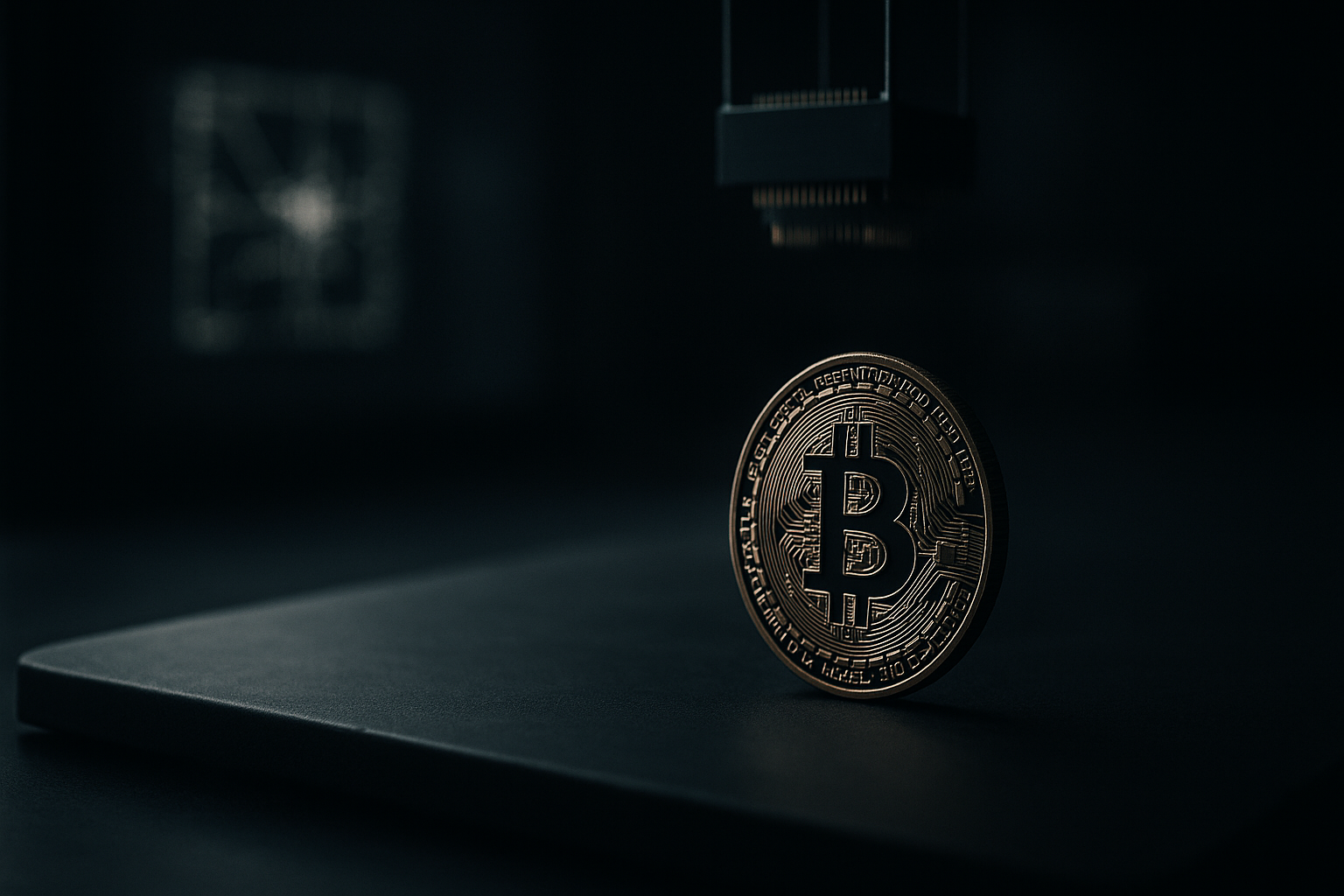
The escalating advancements in quantum computing have brought renewed scrutiny to the long-term security of blockchain networks, particularly Bitcoin. As quantum algorithms grow increasingly capable, they pose a potential threat to the cryptographic foundations that underpin Bitcoin’s decentralized ledger. Experts highlight that without timely implementation of quantum-resistant security enhancements, Bitcoin’s integrity and market valuation could be significantly impacted by 2028. This timeline is critical as it aligns with projections on when sufficiently powerful quantum computers might break conventional cryptographic defenses.
Technically, Bitcoin relies heavily on elliptic curve digital signature algorithms (ECDSA) to secure transactions and wallets. Quantum computing’s potential to exploit Shor’s algorithm threatens to unravel these cryptographic keys, exposing user funds to unprecedented risk. If Bitcoin’s protocol does not integrate quantum-resistant cryptography, network nodes and wallets could become vulnerable to attacks that compromise private keys. Such exposure could erode investor trust and liquidity, inciting market volatility and triggering a broader reassessment of Bitcoin’s long-term security framework.
The implications of this risk extend beyond Bitcoin’s price. The entire cryptocurrency ecosystem, with numerous platforms and tokens dependent on similar cryptographic principles, may face systemic vulnerabilities. This urgency elevates the need for coordinated industry efforts to develop and deploy post-quantum cryptography solutions that preserve decentralization while enhancing security. Furthermore, regulatory bodies may intensify scrutiny of digital assets if vulnerabilities become apparent, potentially hampering innovation in blockchain applications and decentralization strategies.
Moving forward, stakeholders should prioritize research into quantum-resistant protocols such as lattice-based cryptography and hash-based signatures. Active collaboration among developers, academia, and technology firms will be imperative to fortify blockchain infrastructures before quantum threats materialize. Market participants and institutional adopters will also need to monitor technological advancements closely and engage in proactive upgrades to safeguard funds and maintain confidence.
Historically, market sentiment around Bitcoin has responded robustly to technological changes impacting its core protocols. Awareness of quantum risks may introduce caution among investors and miners alike, potentially influencing network activity and price dynamics over the next several years. While market reactions can range from apprehension to opportunism, the overarching sentiment hinges on the community’s ability to navigate these emerging security challenges through innovation and adaptability.
Ready to trade with structure, not guesswork?
Join EPIQ Trading Floor and get real-time data, market breakdowns, 24/7 news feeds, and so much more:
https://epiqtradingfloor.com/
Start with a 3-day free trial of the EPIQ All-Access Pass:
https://epiqtradingfloor.com/all-access-pass/









Respuestas