



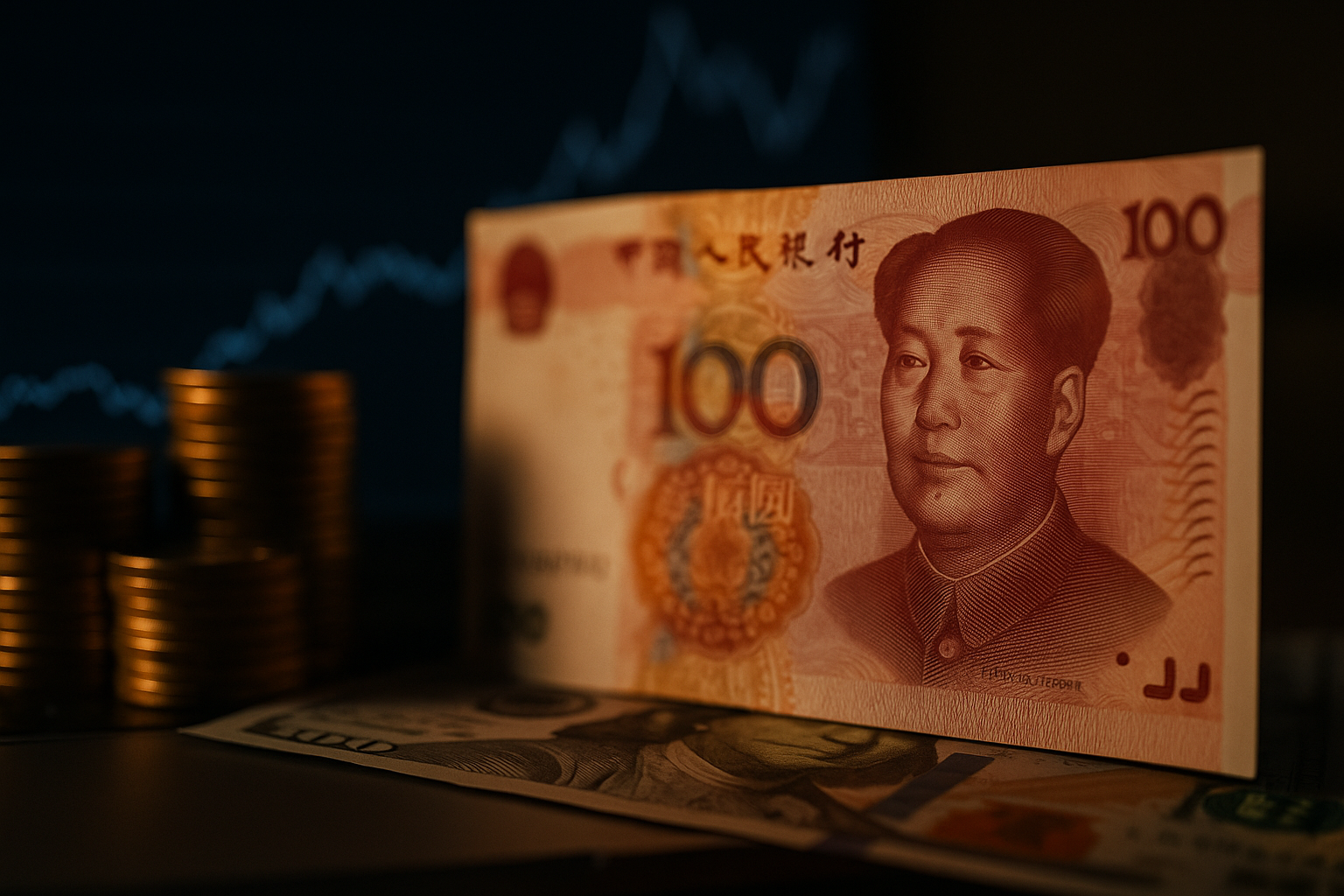
China’s recent call for the renminbi to assume the status of a global reserve currency underscores a strategic effort to recalibrate international finance and assert greater monetary influence. This move emerges against a backdrop of intensifying global economic competition and geopolitical recalibrations, with China aiming to reduce dependency on the US dollar and enhance the international acceptance of its currency. Elevating the renminbi’s stature is critical as China continues to expand its role in global trade and investment, highlighting the evolving dynamics of currency sovereignty in the 21st century.
From a market perspective, the push for renminbi internationalization has significant implications for forex markets, central bank reserves, and cross-border trade settlements. Greater adoption of the renminbi could incentivize the development of new digital payment infrastructures, including central bank digital currencies, which China has already begun piloting domestically. International investors and institutions may need to reassess portfolio allocations and risk exposure as currency diversification trends shift. Moreover, the technical ecosystem surrounding renminbi usage—including foreign exchange platforms and clearing mechanisms—will likely see upgrades to accommodate increased demand and liquidity.
On a broader scale, the ambition to integrate the renminbi more deeply into global reserves challenges the existing US dollar hegemony that has dominated since the post-World War II era. This has potential ramifications for international monetary policy coordination, global debt markets, and diplomatic leverage embedded in currency power. The initiative aligns with China’s broader geopolitical strategy that involves strengthening trade partnerships under frameworks like the Belt and Road Initiative and promoting multilateral financial institutions as alternatives to Western-led entities.
Looking ahead, stakeholders should monitor regulatory developments, bilateral trade agreements denominated in renminbi, and advancements in financial infrastructure that support increased renminbi liquidity and convertibility. Additionally, evolving US-China relations and global economic conditions will markedly influence the trajectory and pace of renminbi adoption as a reserve asset. Central banks globally could play pivotal roles in either accelerating or slowing this transition based on monetary policy shifts and reserve management strategies.
Market sentiment around the renminbi’s global elevation is cautious but increasingly receptive. While some investors view this as a natural evolution reflecting China’s economic prominence, others remain wary of geopolitical risks and capital controls that could limit the renminbi’s unfettered use. The transition presents both opportunity and complexity, requiring sophisticated understanding of international finance protocols and emerging market trends.
Ready to trade with structure, not guesswork?
Join EPIQ Trading Floor and get real-time data, market breakdowns, 24/7 news feeds, and so much more:
https://epiqtradingfloor.com/
Start with a 3-day free trial of the EPIQ All-Access Pass:
https://epiqtradingfloor.com/all-access-pass/








Respuestas