




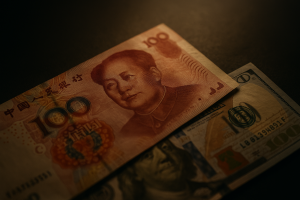
China’s recent move to set the renminbi at its strongest level against the US dollar in over a year marks a significant development in the nation’s currency management strategy. This adjustment implies a more tolerant stance towards a stronger local currency, reflecting Beijing’s intent to balance export competitiveness with rising demand for the renminbi in global trade and finance. The move comes amid a complex backdrop of shifting geopolitical dynamics, global supply chain realignments, and growing internationalization of the Chinese currency within cross-border payment systems.
From a market perspective, this strengthening of the renminbi could influence foreign exchange flows, impacting liquidity conditions and capital movements both within China and globally. Traders and institutional investors will likely interpret this as a signal that the People’s Bank of China (PBOC) may allow greater flexibility in the yuan’s trajectory, which is critical for hedging strategies and currency risk management. Furthermore, this policy signal might affect offshore yuan markets, and could potentially reinforce the renminbi’s role as an emerging global reserve currency alongside established alternatives.
On a broader macroeconomic scale, tolerating a stronger renminbi aligns with China’s evolving economic policy priorities, including enhancing domestic consumption, reducing external imbalances, and integrating its financial markets with global standards. The move can be seen as part of China’s ongoing efforts to reform its currency regime, support its Belt and Road Initiative by providing a more stable and internationally accepted currency, and attract foreign investment into its growing digital finance ecosystem. It also reflects an attempt to navigate trade tensions and currency volatility while promoting the yuan’s gradual inclusion in international protocols.
Looking ahead, key factors to monitor include subsequent daily fixes by the PBOC, the impact on export sectors sensitive to currency appreciation, and responses from global currency markets, including the US dollar index. Additionally, developments in US-China relations and shifts in global monetary policy will be pivotal in influencing the renminbi’s trajectory. Observing these factors will provide insight into how China’s central bank manages the balance between market-driven forces and policy interventions in currency markets.
The financial market sentiment surrounding this shift generally views a stronger renminbi as a double-edged sword. While it may diminish export competitors’ pricing advantages in the short term, it also signals confidence in China’s underlying economic stability and a move towards more market-oriented currency mechanisms. Market participants will be watching for consistency in the central bank’s future interventions and any signals regarding further liberalization or regulatory changes.
Ready to trade with structure, not guesswork?
Join EPIQ Trading Floor and get real-time data, market breakdowns, 24/7 news feeds, and so much more:
https://epiqtradingfloor.com/
Start with a 3-day free trial of the EPIQ All-Access Pass:
https://epiqtradingfloor.com/all-access-pass/









Respuestas