



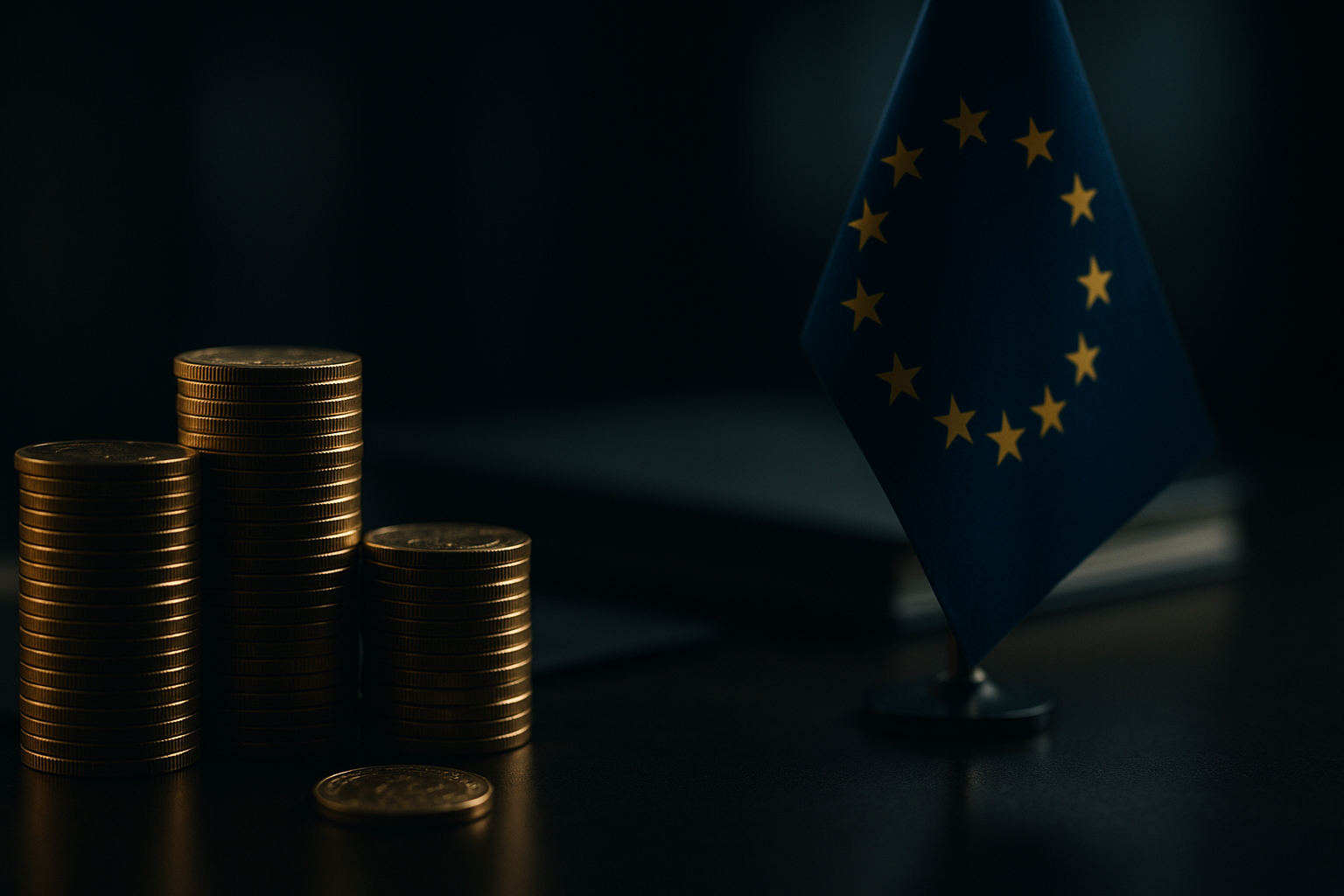
The ongoing conflict between Ukraine and Russia has prompted European Union leaders to urgently address the financial mechanisms supporting Ukraine’s defense and reconstruction efforts. Meeting in Brussels, the summit saw Ukrainian President Volodymyr Zelenskyy engage directly with EU heads of state, underscoring the immediacy of securing stable funding. This development is critical, not only due to the intensifying demands on Ukraine’s military and humanitarian fronts but also because it signals a unified political stance within the EU despite underlying disputes.
The summit revealed technical complexities surrounding the potential utilization of Russia’s frozen assets held across European jurisdictions. Belgium, among other members, expressed strong reservations about unlocking these reserves for financing Ukraine. These concerns include legal frameworks governing asset sovereignty, risks of precedent-setting financial actions, and the administrative challenges of diverting funds originally frozen as sanctions. The discussion highlights the intricate balance between enforcing tailored economic sanctions and providing timely financial support to an active conflict zone.
From a broader perspective, the EU’s capacity to mobilize funding for Ukraine carries substantial geopolitical weight. Effective resource allocation here not only supports Ukraine’s resilience but also reaffirms the EU’s strategic autonomy in global security affairs. Additionally, this funding initiative ties into the evolving international sanctions ecosystem and impacts cross-border financial protocols related to national and supranational asset freezes. The resolution of funding mechanisms could influence future policies regarding asset seizure and sanctions enforcement within the wider framework of international economic law.
Looking ahead, the key variables will be the negotiation outcomes on the legal handling of frozen assets and the speed and scale with which committed funds can be disbursed. Market analysts and policymakers will closely monitor the EU’s approach to balancing solidarity with legal prudence. The timeline for implementation may also set benchmarks for other coalition support initiatives involving financial coordination under high-stakes international crises.
In terms of investor sentiment and market dynamics, the EU’s unified financial backing of Ukraine tends to calm regional economic uncertainty and reinforces confidence in the stability of transnational security partnerships. However, unresolved internal disagreements could inject volatility into diplomatic relations and affect investor outlooks toward European financial markets and energy sectors closely tied to geopolitical developments.










Respuestas