



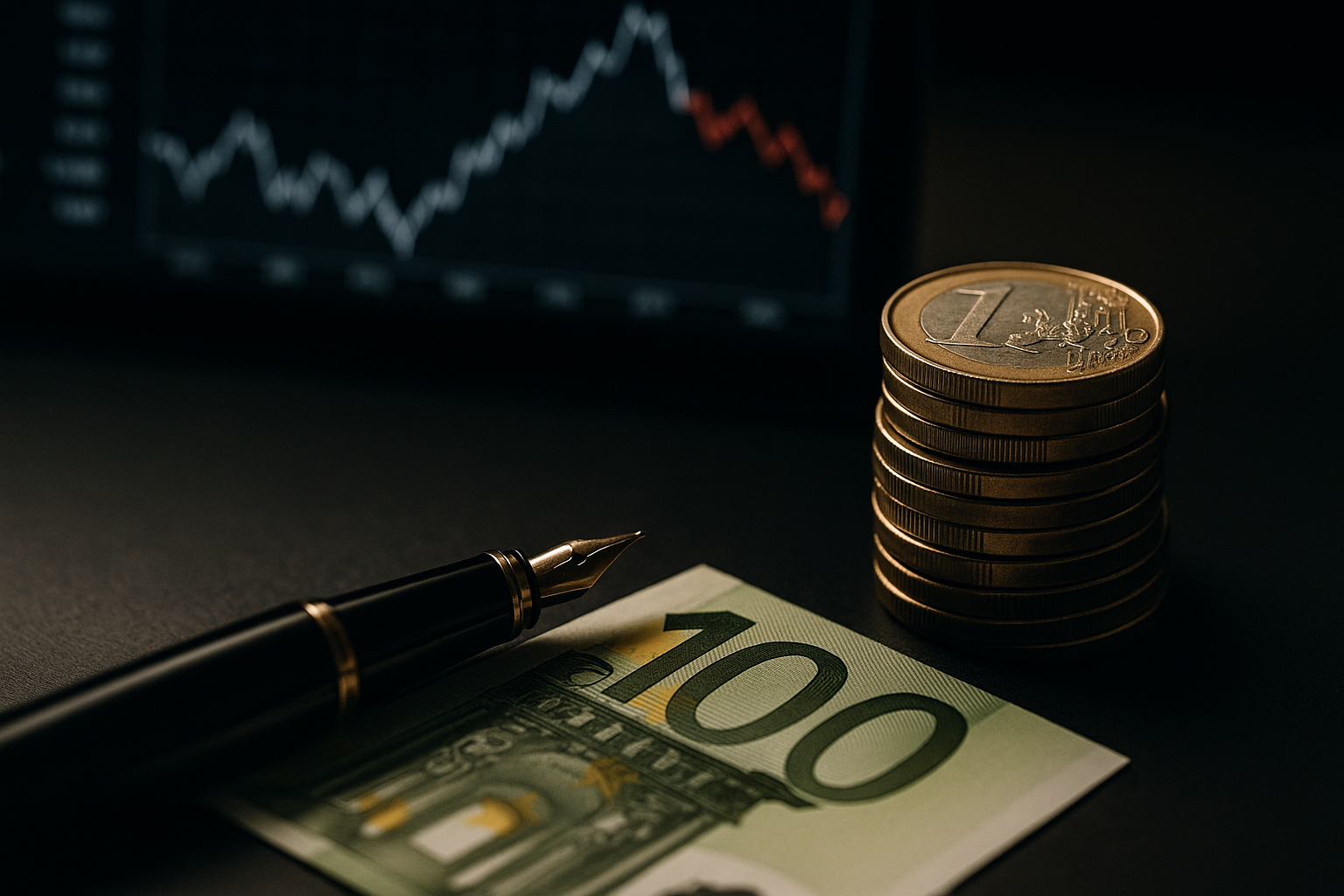
As Europe progresses into 2024, geopolitical instability remains a critical factor shaping investor sentiment and economic forecasts. The complex interplay between Russia’s assertive regional presence and America’s strategic influence continues to unsettle markets. While diplomatic efforts toward a possible Ukraine peace agreement signal a hopeful pivot, the fragile nature of such negotiations highlights that economic prosperity is far from assured. Investors within the European ecosystem must therefore prepare for sustained volatility rooted in geopolitical risk rather than conventional market cycles.
From a market and technology perspective, this geopolitical climate influences sectors ranging from energy to finance. European capital markets are particularly vulnerable to shifts in energy supply chains due to ongoing conflicts and sanctions. Moreover, technology ecosystems, especially with regard to cybersecurity infrastructure and blockchain developments, face challenges as geopolitical tensions spotlight digital sovereignty and resilience concerns. Protocols emphasizing decentralization could see increased interest as a hedge against geopolitical disruption, but uncertainties may suppress broader investor enthusiasm and growth prospects.
The macroeconomic impact extends well beyond financial markets. Geopolitical friction affects policy decisions on economic sanctions, trade agreements, and regulatory environments within the European Union and globally. Emerging technology sectors, including blockchain innovation hubs, must contend with heightened regulatory scrutiny amid security concerns and geopolitical narratives. Furthermore, supply chain security and cross-border capital flows are likely to remain constrained, impacting investment strategies and enterprise planning across multiple industries.
Looking ahead, key indicators to monitor include the progress and durability of any peace negotiations in Eastern Europe, shifts in transatlantic relations, and evolving EU policy frameworks addressing economic resilience. Additionally, developments in alternative energy technologies and critical infrastructure modernization will be central to mitigating risks associated with geopolitical upheaval. Stakeholders should remain attentive to announcements regarding regulatory changes affecting fintech and digital assets, as these could signal shifts in investment landscapes.
Market sentiment typically oscillates between cautious optimism around diplomatic breakthroughs and defensive posturing when tensions escalate. This oscillation fosters a climate where risk management strategies and diversification become paramount. Understanding the nuanced relationship between geopolitical events and market reactions will be crucial for European investors seeking to navigate uncertainty without succumbing to reactive decision-making.
Ready to trade with structure, not guesswork?
Join EPIQ Trading Floor and get real-time data, market breakdowns, 24/7 news feeds, and so much more:
https://epiqtradingfloor.com/
Start with a 3-day free trial of the EPIQ All-Access Pass:
https://epiqtradingfloor.com/all-access-pass/




Respuestas