



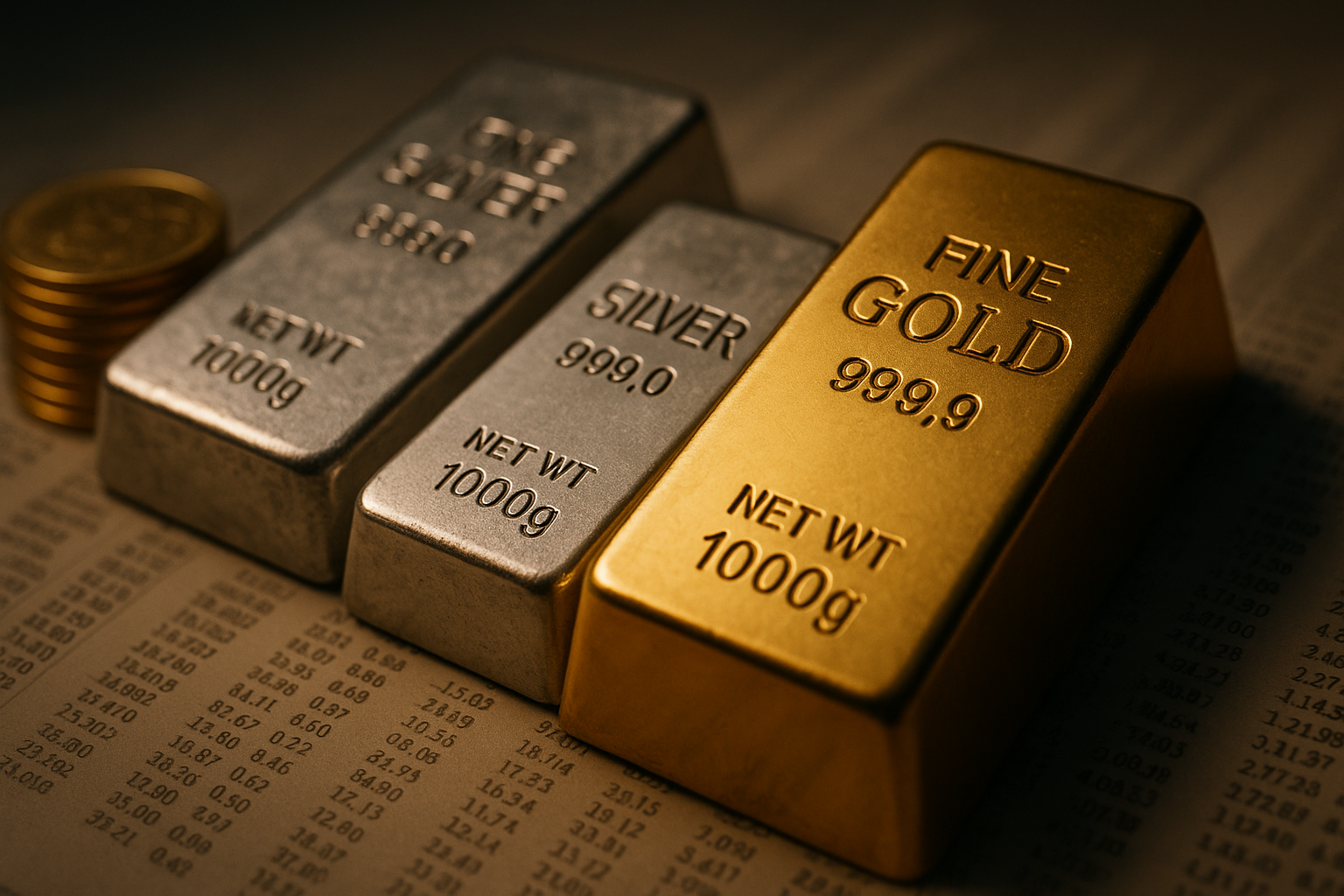
Precious metals markets have experienced a significant downturn as gold, silver, and platinum prices plunged sharply in response to the recent nomination of a new Federal Reserve chair. This move has unsettled investor sentiment across traditional safe-haven assets, underscoring the sensitivity of precious metals to shifts in monetary policy direction. Given the prominent role of the Federal Reserve in setting interest rate expectations, the appointment conveys potential changes in inflation management and economic outlook, which heavily influence bullion valuations.
The metals’ sell-off reflects market recalibration amid expectations of a less accommodative monetary policy stance. Rising interest rates typically strengthen the US dollar, increasing the opportunity cost of holding non-yielding assets like gold and silver. Furthermore, platinum’s decline is notable, as this metal’s price dynamics often intertwine with broader industrial demand and inflation hedging strategies. The nomination has injected uncertainty about future rate hikes and quantitative tightening, prompting traders to reassess risk exposures within commodities and financial markets.
Broader industry implications encompass the ripple effects on diverse sectors including finance, manufacturing, and export businesses sensitive to currency valuation and commodity price fluctuations. As bullion prices serve as economic barometers, this sudden plunge may awaken caution about inflation trajectories and economic growth prospects. The Fed’s leadership choice could also influence global monetary coordination policies, impacting capital flows and investment strategies across emerging and developed markets alike.
Going forward, market participants will keenly observe the Federal Reserve’s communications and policy moves for clarity on strategy and economic projections. Key indicators to monitor include upcoming inflation reports, employment data, and statements from Fed officials that might either reinforce or counterbalance the current market response. These elements will determine the resilience of precious metals and the broader asset classes under the evolving monetary policy landscape.
Historically, periods of regulatory or leadership changes within central banks often trigger volatility and repositioning among investors. The current reaction echoes prior episodes where uncertainties about rate trajectories have accelerated shifts out of safe-haven stores. Market sentiment may continue to oscillate depending on macroeconomic data, geopolitical developments, and investor appetite for risk, all factors that commodity traders and portfolio managers will scrutinize closely.
Ready to trade with structure, not guesswork?
Join EPIQ Trading Floor and get real-time data, market breakdowns, 24/7 news feeds, and so much more:
https://epiqtradingfloor.com/
Start with a 3-day free trial of the EPIQ All-Access Pass:
https://epiqtradingfloor.com/all-access-pass/








Respuestas