



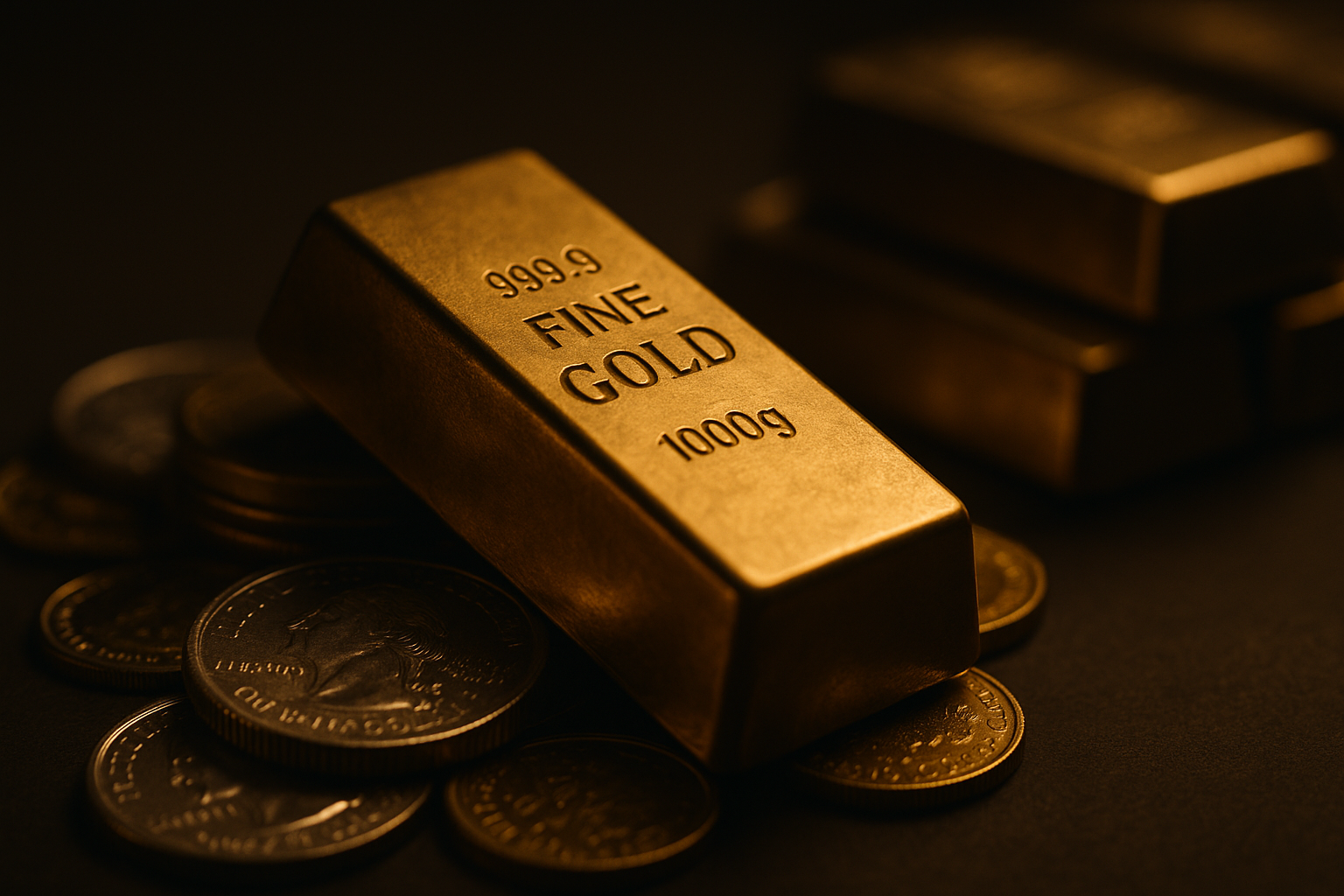
Geopolitical developments have recently intensified market volatility, prompting investors to seek refuge in traditional safe-haven assets such as gold and silver. The US blockade on Venezuelan oil exports has introduced additional supply constraints and heightened uncertainty in global commodity markets. Concurrently, expectations of upcoming Federal Reserve interest rate cuts have further bolstered demand for precious metals amid low-yield environments. These combined factors have driven gold and silver prices to hit unprecedented highs, marking a significant shift in market dynamics that underscores growing anxieties over global stability and monetary policy trajectories.
From a market standpoint, the surge in precious metals highlights the sensitivity of commodity prices to macroeconomic and geopolitical signals. The persistent pressure on energy supplies due to sanctions indirectly fuels inflationary concerns, which traditionally support gold and silver as hedges against real asset depreciation. Technical indicators now show accelerated momentum in these metals, with rising volumes pointing to sustained investor interest in diversifying portfolios away from fiat currency exposure. The Fed’s potential rate adjustments contribute to this dynamic by weakening the US dollar, a common denominator influencing precious metals valuation across global markets.
On a broader scale, the record highs in gold and silver prices reflect deeper structural shifts in the commodities and financial landscape. Sanctions against major oil producers, alongside geopolitical instability in resource-rich regions, may prompt long-term reconfigurations of supply chains and investment flows. This repositioning affects various sectors including mining operations, energy economics, and currency markets. Moreover, policy decisions by central banks, particularly in response to inflationary pressures and growth prospects, will play a pivotal role in shaping demand patterns for these metals as both investment assets and industrial inputs in emerging technologies.
Looking ahead, market participants should closely monitor developments in US foreign policy, OPEC+ production adjustments, and Federal Reserve communications. Variations in geopolitical risk assessments and monetary policy expectations will likely remain key drivers influencing precious metals. Additionally, potential shifts in global economic growth rates could recalibrate investor confidence and the perceived value of safe-haven assets. Given these complexities, the trajectory of gold and silver prices offers vital insights into the evolving interplay between geopolitical forces and financial market responses.
Ready to trade with structure, not guesswork?
Join EPIQ Trading Floor and get real-time data, market breakdowns, 24/7 news feeds, and so much more:
https://epiqtradingfloor.com/
Start with a 3-day free trial of the EPIQ All-Access Pass:
https://epiqtradingfloor.com/all-access-pass/






Respuestas