



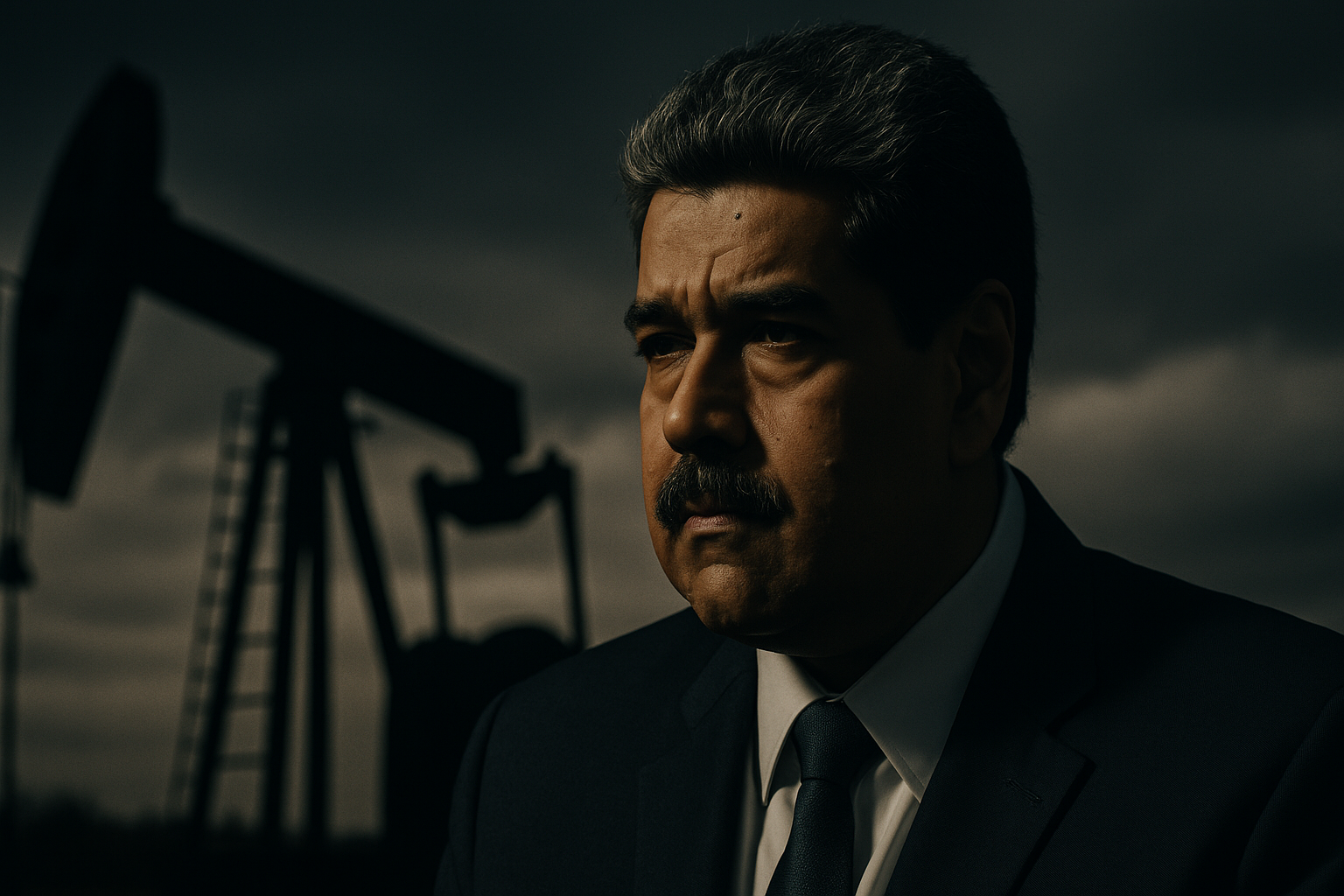
The ongoing economic and political pressure on Venezuela’s Nicolás Maduro has intensified following the Trump administration’s targeted oil sanctions aimed at crippling the country’s lifeblood sector. These sanctions, designed to choke off the Maduro regime’s primary revenue source, have sparked widespread speculation about the durability of his government. However, while these measures disrupt oil exports and limit access to global financial networks, experts emphasize that removing Maduro without a significant change in the internal power structure—particularly via military intervention—remains unlikely. This context places renewed focus on the resilience of autocratic leaderships under layered economic sanctions and the limitations of market-based pressures absent physical enforcement.
The implications of such sanctions ripple beyond the immediate political arena into Venezuela’s technical and energy landscapes. The country’s oil infrastructure, once among the most productive in Latin America, has suffered from underinvestment and mismanagement exacerbated by the blockade. The restrictions on refining technology imports and international partnerships further erode Venezuela’s oil production capabilities, creating a feedback loop that undermines the energy sector’s recovery potential. Furthermore, this shutdown impacts global energy markets by tightening supply routes and increasing reliance on alternative producers. The emerging picture is one where energy geopolitics intersects with institutional weakness, influencing long-term ecosystem stability within the hydrocarbon industry.
From a broader geopolitical and macroeconomic perspective, Venezuela’s crisis illustrates the intricate challenges of sanction-based regimes aimed at triggering political upheaval. The effectiveness of economic embargoes depends not only on enforcement but also on external actors’ willingness to pivot towards military or diplomatic intervention. In the Venezuelan case, regional alliances, international legal frameworks, and the presence of external backers all shape the outcome. This scenario underscores how energy sanctions form part of a multidisciplinary toolkit influencing regime resilience and broader strategic alignments in South America. It also signals caution to markets and policy planners regarding reliance on economic pressure without concurrent political strategy.
Looking forward, vital indicators to monitor include shifts within Venezuela’s military hierarchy, external diplomatic engagements, and the status of crude oil production and export capabilities. Additionally, how emerging energy technologies or cryptocurrency adoption might circumvent sanctions to sustain the Maduro government remains a strategic wildcard. Analysts should also watch for potential recalibrations in US and regional policies under changing administrations, which could redefine sanction frameworks or open negotiations.
Market sentiment around Venezuela typically reacts with volatility to sanction announcements and political developments, reflecting investor concern over risk and supply disruptions. However, the entrenched nature of Maduro’s governance and the complexity of implementing more forceful measures suggest a prolonged phase of constrained activity rather than immediate market turmoil. Stakeholders should interpret these dynamics through the lens of geopolitical risk management, balancing short-term market reactions against long-term structural developments in global energy supply chains.
Ready to trade with structure, not guesswork?
Join EPIQ Trading Floor and get real-time data, market breakdowns, 24/7 news feeds, and so much more:
https://epiqtradingfloor.com/
Start with a 3-day free trial of the EPIQ All-Access Pass:
https://epiqtradingfloor.com/all-access-pass/






Respuestas