




Heightened geopolitical tensions between the United States and European nations concerning Greenland’s strategic Arctic territory have recently come to the forefront, representing a notable flashpoint in international relations. This issue matters now as Arctic sovereignty and resource control become increasingly critical given the potential for new shipping routes and untapped natural resources. The US administration’s declared intent to assert influence and prevent any reversion in territorial ambitions underscores a broader geopolitical contest in the High North, underscoring the strategic importance of Arctic governance in global diplomacy.
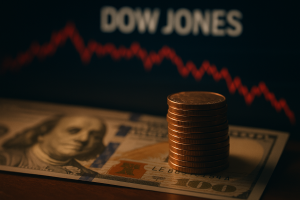
From a market perspective, these developments have contributed to significant volatility. The US dollar has weakened against major currencies following statements affirming no retreat from control ambitions in the region. Simultaneously, Wall Street equities have experienced downward pressure as investors assess the risks associated with escalating diplomatic friction and its potential to disrupt global supply chains or complicate international trade agreements. Such volatility highlights how geopolitical uncertainties in remote but resource-rich areas like the Arctic can ripple through global financial markets, influencing capital flows and investor risk appetite.
Looking beyond immediate financial impacts, the strategic positioning in Greenland touches upon broader macroeconomic and industry trends. The Arctic represents a frontier for energy exploration, mineral extraction, and emerging technologies linked to cold-climate operations and maritime logistics. Increased sovereignty disputes may accelerate competition among global powers for resource access, affecting long-term planning for energy companies, shipping industries, and technology providers focused on Arctic infrastructure. Moreover, international cooperation frameworks surrounding environmental protections and indigenous rights could face challenges under heightened geopolitical strains.
In the months ahead, stakeholders should closely monitor diplomatic engagements between US and European leaders, any shifts in Arctic policy frameworks, and responses from allied nations. Developments in technology deployment for Arctic operations and regulatory decisions on resource exploitation will also be critical indicators of how this strategic contest may evolve. Investors and policymakers alike must remain vigilant as fluctuations in market sentiment may reflect ongoing uncertainty tied to these geopolitical dynamics.
Market sentiment often reacts swiftly to geopolitical news, with risk-averse behavior prompting capital shifts toward safer assets during heightened conflicts. The current standoff involving Greenland is likely to sustain such dynamics, underscoring the importance of understanding geopolitical risk as an integral factor influencing market conditions. While the situation remains fluid, awareness of these evolving risks can help market participants navigate potential disruptions linked to one of the world’s most strategically significant regions.







Respuestas