



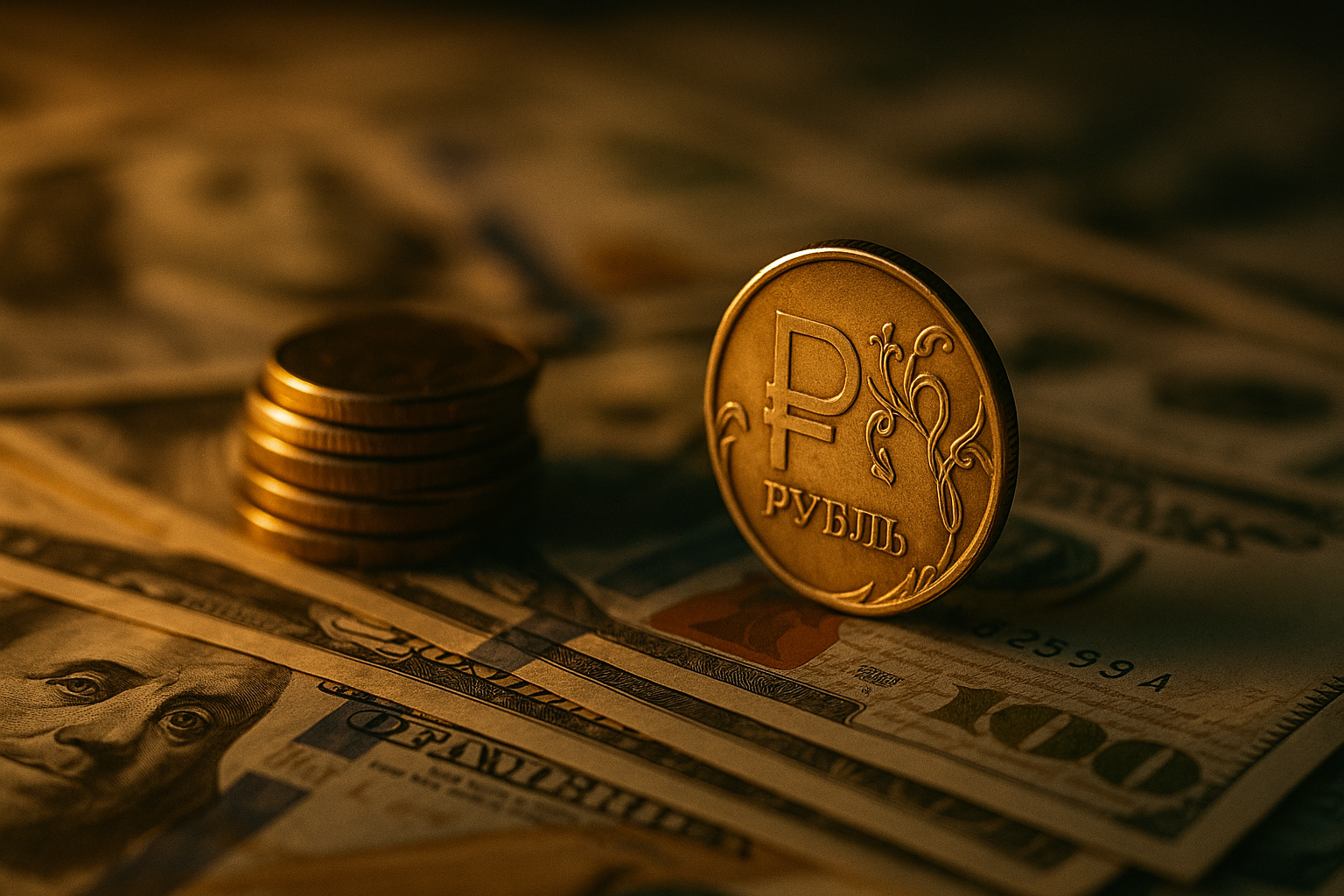
The ruble-backed stablecoin A7A5 has quietly emerged as a market leader in stablecoin growth over the last 12 months, outpacing prominent U.S.-based alternatives such as USDT (Tether) and USDC (USD Coin). This development is particularly noteworthy given the geopolitical context, where international sanctions targeting Russia’s economy have raised questions about the stability and adoption of ruble-linked digital assets. A7A5’s performance highlights a significant shift in the stablecoin landscape, where regionally pegged tokens are gaining traction even under adverse macroeconomic conditions.
From a market and technical perspective, A7A5’s growth signals increased demand for ruble-denominated digital liquidity within Russia and potentially other markets seeking exposure to the ruble without reliance on traditional banking infrastructure. Stablecoins pegged to national fiat currencies typically play a critical role in enhancing crypto ecosystems by providing transactional stability, facilitating decentralized finance (DeFi) applications, and enabling cross-border remittances in contexts with constrained capital flows. A7A5 has leveraged blockchain interoperability and compliance measures designed to mitigate sanction risks, allowing it to sustain transaction volumes and user confidence relative to the dominant US-based stablecoins.
On a broader scale, A7A5’s rise challenges the hegemony of dollar-pegged stablecoins, intensifying discussions about the diversification of digital fiat tokens amid evolving regulatory and geopolitical landscapes. This trend could influence global stablecoin governance, prompting the development of alternative stablecoin standards and regulatory frameworks tailored to non-dollar assets. Additionally, A7A5’s trajectory raises questions about the future role of cryptocurrency in countries facing economic sanctions, where digital ruble alternatives may function as both a financial lifeline and a strategic tool for maintaining economic sovereignty.
Looking ahead, key indicators to monitor include further regulatory responses to ruble-pegged stablecoins, the potential expansion of A7A5 in cross-border payment corridors, and developments in the underlying blockchain infrastructure supporting its issuance and transaction security. Stakeholders may also observe how USDT and USDC respond in terms of market share and innovation amid growing competition from national currency stablecoins.
Market sentiment around A7A5 should be interpreted within the broader geopolitical context; while growth can signal increased adoption, volatility in the ruble and regulatory uncertainties remain risk factors influencing market confidence. Overall, the emergence of A7A5 exemplifies how stablecoins continue to evolve beyond traditional dollar dominance, reflecting the dynamic interplay of technology, regulation, and global finance.
Ready to trade with structure, not guesswork?
Join EPIQ Trading Floor and get real-time data, market breakdowns, 24/7 news feeds, and so much more:
https://epiqtradingfloor.com/
Start with a 3-day free trial of the EPIQ All-Access Pass:
https://epiqtradingfloor.com/all-access-pass/









Respuestas