



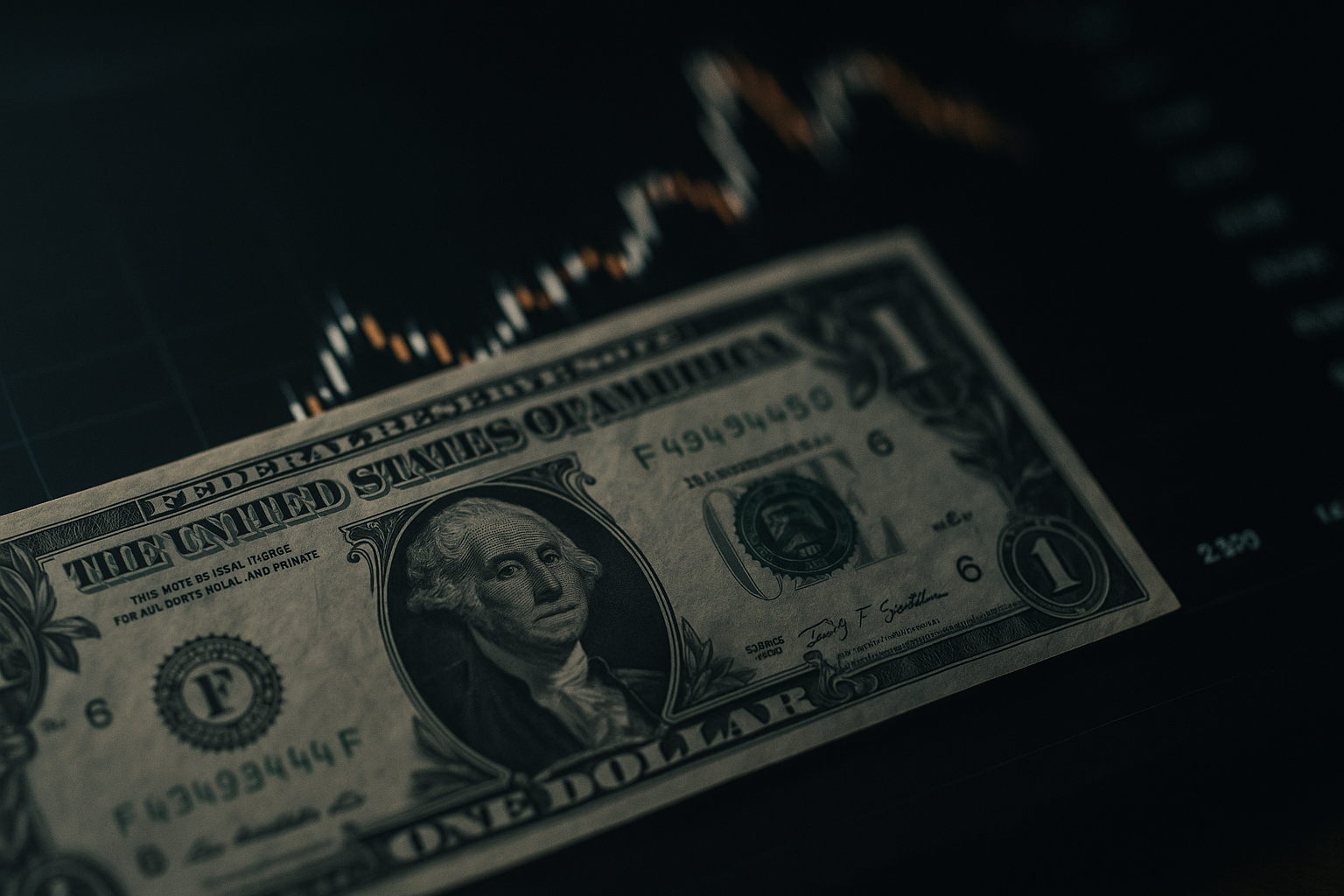
As global financial markets brace for a slate of significant economic releases and geopolitical developments, the US Dollar has demonstrated increased resilience. This cautious stance among investors is driven by the anticipation of major policy decisions and data that could redefine risk dynamics across asset classes. Such periods of uncertainty typically prompt a flight-to-safety, bolstering demand for the US Dollar as a benchmark reserve currency. Understanding these dynamics is essential for navigating broader forex market movements and their ripple effects across interconnected global economies.
From a technical perspective, the US Dollar index (DXY) has shown notable support levels, reflecting the market’s defensive positioning. Traders and algorithmic strategies are adjusting exposure in anticipation of volatility spikes triggered by upcoming Federal Reserve announcements, inflation reports, and key employment statistics. In addition, the interplay between the US Dollar and other major currencies like the Euro and Japanese Yen exhibits shifts that underscore the fundamental themes of safe-haven flows and risk aversion. These technical and sentiment factors contribute to a more volatile but structurally cautious trading environment in the forex ecosystem.
On a macro scale, the dollar’s firming influences cross-asset correlations, impacting commodities priced in dollars such as gold and oil, as well as emerging market currencies that often exhibit sensitivity to dollar strength. Central banks’ monetary policies remain under close scrutiny, as any unexpected adjustments could recalibrate global liquidity conditions and capital allocation. Furthermore, geopolitical tensions and trade negotiations add layers of complexity, amplifying the importance of currency stability as a barometer for investor confidence and economic resilience worldwide.
Looking ahead, market participants will closely monitor upcoming Federal Reserve policy updates, key inflation data from the US and Europe, and geopolitical developments in international hotspots. These events hold the potential to significantly alter the risk environment, influencing currency valuations and liquidity preferences. Effective analysis of these moving parts is critical for anticipating shifts in market sentiment and positioning across the FX landscape.
Investor psychology in these moments of uncertainty typically leans towards protection, with increased hedging through the US Dollar and other defensive assets. This behavior underscores the broader tendency for markets to prioritize capital preservation over speculative risk-taking before major economic inflection points. Staying informed on these trends enables a clearer understanding of market mechanics and potential directional biases.
Ready to trade with structure, not guesswork?
Join EPIQ Trading Floor and get real-time data, market breakdowns, 24/7 news feeds, and so much more:
https://epiqtradingfloor.com/
Start with a 3-day free trial of the EPIQ All-Access Pass:
https://epiqtradingfloor.com/all-access-pass/









Respuestas