



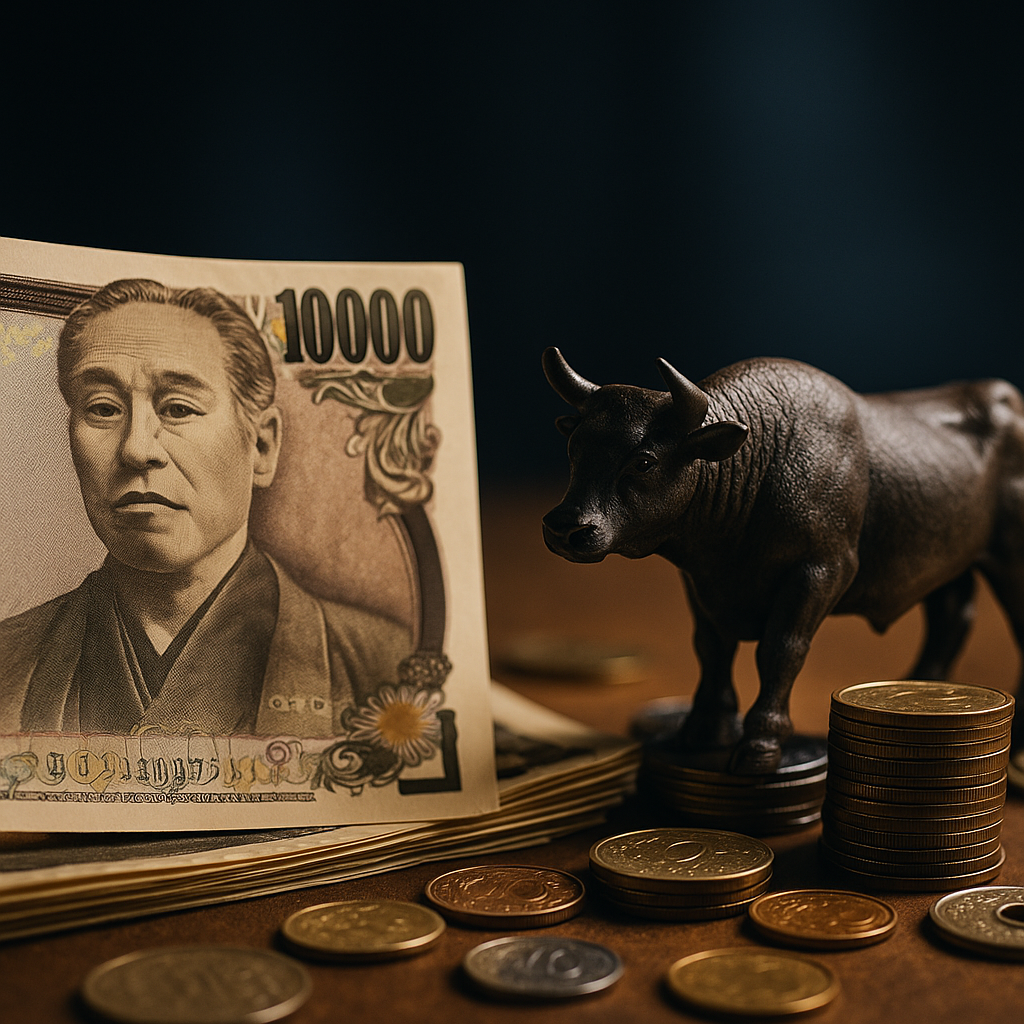
The Japanese yen showed signs of stabilization as Japan’s political landscape sharpened focus with Sanae Takaichi’s launch of her election campaign. This development is particularly significant because the yen has experienced volatility in recent months amid differing domestic economic policies and external pressures. With the upcoming election, market participants are closely watching signals from government actors, anticipating potential interventions in the currency market to moderate erratic moves. This political event injects a new dimension of uncertainty for traders and investors following prolonged yen depreciation influenced by divergent monetary stances from Japan’s central bank compared to its global peers.
From a market perspective, the yen’s recent steadiness signals a contested balance between natural currency forces and deliberate policy maneuvers. The Bank of Japan’s ongoing yield curve control and ultra-loose monetary stance contrast sharply with tightening trends in the US Federal Reserve and other major central banks, creating persistent upward pressure on the dollar-yen exchange rate. However, the possibility of government intervention, including direct currency market actions or verbal guidance, introduces an additional layer of complexity. Traders must consider how political events—such as election campaigning—could either anchor or destabilize the yen’s short-term trajectory. The yen’s behavior also affects global trade flows, capital allocation, and cross-border investments given Japan’s pivotal role in international finance and export sectors.
At the macroeconomic level, Japan’s political developments amid currency fluctuations have broader implications for regional stability and international economic relations. If intervention occurs, it may reinforce concerns about currency manipulation policies or signal shifts in Japan’s fiscal and economic strategy aligning with Takaichi’s political platform. Furthermore, the yen’s trend influences global risk sentiment, impacting other Asian markets and safe-haven asset dynamics. Political events in Japan thus resonate beyond domestic borders, influencing global monetary policy discourse and investor confidence in the Asia-Pacific economic ecosystem.
Looking ahead, market participants and analysts should watch for official statements from the Japanese government and the Bank of Japan that may clarify policy intentions amid electoral dynamics. Additionally, global central banks’ monetary decisions and geopolitical developments will intersect with this political context to shape currency valuations. Monitoring these factors will be critical for understanding potential intervention timing and strategic shifts in Japan’s economic policy framework.
Historically, currency markets tend to exhibit heightened volatility around election cycles, with sentiment swings influenced by perceived policy changes and government stability. The yen’s recent stabilization might prove temporary if market expectations shift amid campaign developments or policy signals. Investors and traders should remain vigilant for sudden moves triggered by news flow or intervention rumors, underscoring the importance of disciplined risk management in such an environment.
Ready to trade with structure, not guesswork?
Join EPIQ Trading Floor and get real-time data, market breakdowns, 24/7 news feeds, and so much more:
https://epiqtradingfloor.com/
Start with a 3-day free trial of the EPIQ All-Access Pass:
https://epiqtradingfloor.com/all-access-pass/









Respuestas