



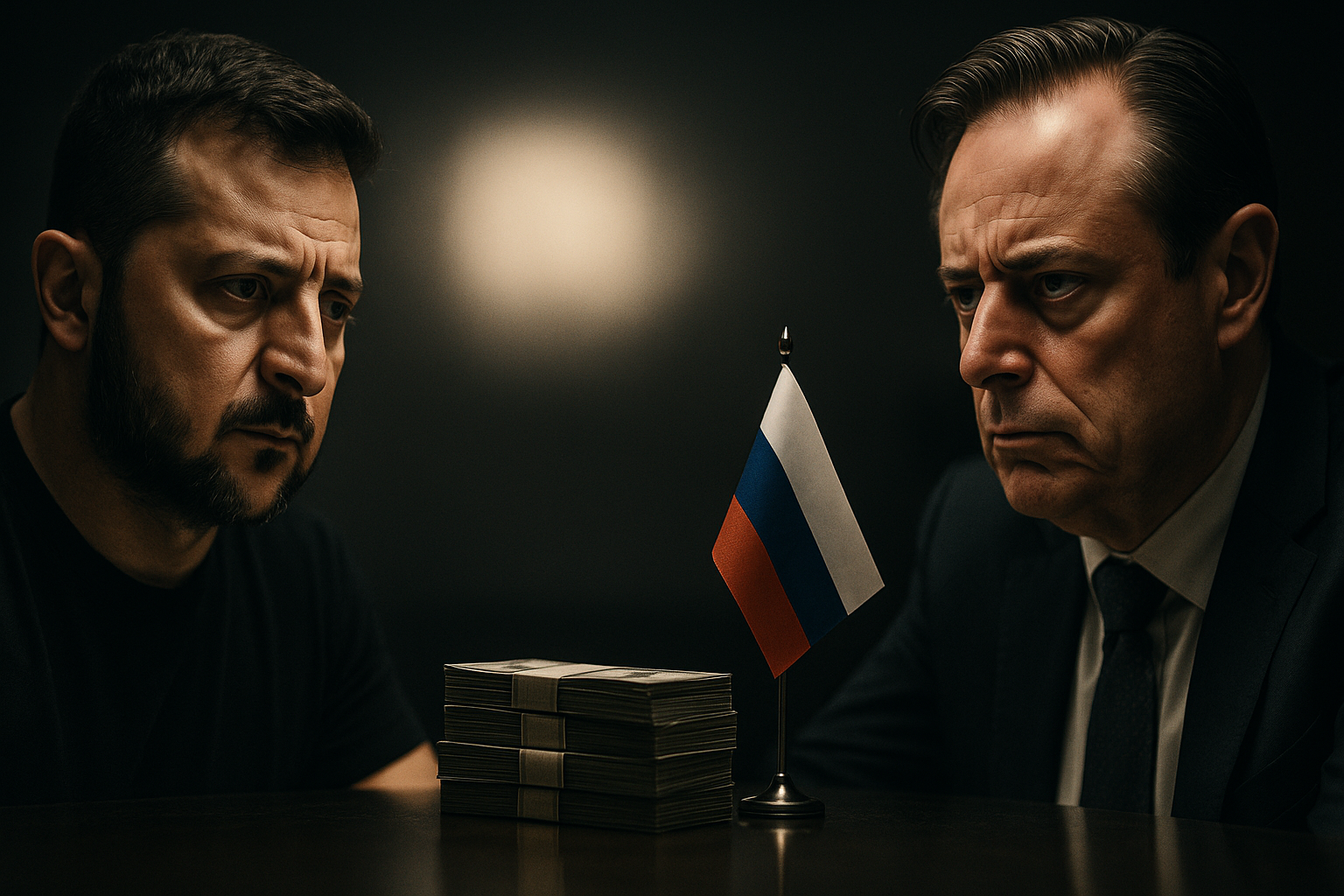
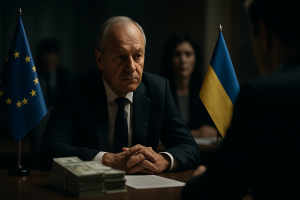
The ongoing conflict between Ukraine and Russia has escalated beyond military engagements to include intense political and financial disputes. Recently, Ukrainian President Volodymyr Zelenskyy confronted Belgian political leader Bart De Wever over the proposed treatment of frozen Russian assets, which many see as a key lever in holding Moscow accountable. This confrontation highlights the urgent global debate on how best to manage and potentially repurpose billions in Russian state funds frozen as a consequence of sanctions. The outcome of this debate matters now more than ever, as the war’s timeline remains uncertain and the international community grapples with questions of justice and economic recovery.
On a technical level, the handling of Russian assets involves intricate legal and financial frameworks that intersect with global sanctions regimes and asset seizure protocols. Countries face challenges in aligning their domestic regulations while ensuring compliance with international law to avoid inadvertent financial risk or geopolitical fallout. The dispute underscores the complexities within the ecosystems of sanctions enforcement, cross-border asset management, and sovereign debt instruments tied to Russia. This standoff may influence how other nations approach the financial containment of hostile states, setting precedents for managing state-backed entities implicated in conflict.
More broadly, this confrontation reflects a shifting paradigm in geopolitical finance and the role of sovereign assets as tools of accountability and leverage. If successful, efforts to utilize frozen Russian reserves to aid Ukraine or related economic reconstruction could mark a watershed moment in how the international community addresses conflict financing. Conversely, failure to build consensus risks prolonging uncertainty, potentially chilling investment confidence in sanctioned economies and complicating international diplomatic relations. Observers note the wider impacts on alliances, trade blocs, and institutional cooperation, especially as global partners reassess mechanisms for economic statecraft amid an increasingly multipolar world.
Moving forward, close attention will be paid to negotiations between Ukraine, Belgium, the EU, and allied states, with emerging proposals on asset redistribution and legal precedents likely to surface. The resolution of this high-stakes standoff will also serve as an early indicator of how effectively the global financial architecture can respond to emerging crises, balancing enforcement rigor with strategic diplomacy. Market participants, policymakers, and international law experts will all be watching closely for signals of evolving sanction strategies and asset management reforms.
Typical market sentiment around these developments tends to be cautious, marked by volatility tied to shifting political winds and regulatory uncertainty. While some sectors may view asset repurposing as a positive stabilizing factor, others remain wary of legal challenges and potential retaliatory measures. Understanding these dynamics is crucial for stakeholders navigating the complex intersection of geopolitics and global finance.







Respuestas