



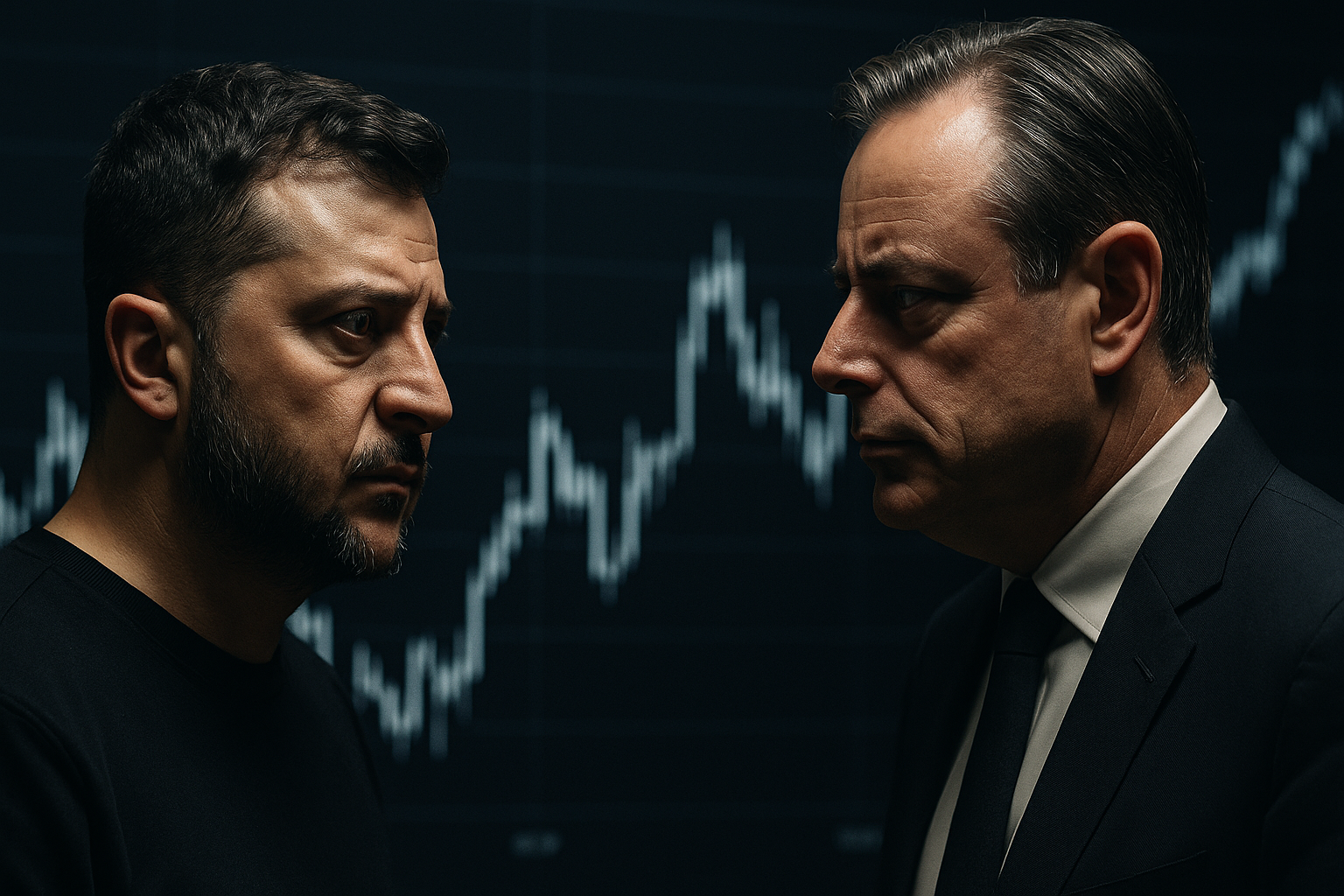
The escalating tensions between Ukraine’s President Volodymyr Zelenskyy and Belgian politician Bart De Wever center on the contentious issue of frozen Russian assets, spotlighting a broader clash over how these funds should be managed amid ongoing geopolitical conflicts. With billions of dollars in Russian state assets immobilized due to sanctions and international pressure following the invasion of Ukraine, a critical impasse now threatens cooperation among European leaders. Zelenskyy’s efforts to secure a firm stance on utilizing these assets reflect the urgency of securing financial leverage to support Ukraine’s defense and reconstruction initiatives.
This dispute carries profound implications for the international financial ecosystem and sanctions enforcement protocols. The prospect of loaning or repurposing frozen assets introduces complex legal and economic considerations, including sovereign immunity, cross-border enforcement, and precedent-setting governance in the management of confiscated or frozen capital within the global banking and regulatory landscape. The negotiation dynamics influence not only European Union cohesion but also how financial jurisdictions coordinate in curbing illicit flows tied to geopolitical conflict.
On a macro scale, this unfolding standoff reverberates through the wider geopolitical economy, testing the robustness of multilateral sanction regimes targeting Russia while impacting diplomatic ties within Mercosur and beyond. The debate also signals an inflection point for how emerging frameworks might govern asset freezes and reparations, which could affect international financial diplomacy for years to come. The outcome will likely serve as a bellwether for the handling of state assets amidst hybrid warfare and economic sanctions in an increasingly interconnected global system.
Stakeholders should closely monitor forthcoming negotiations and any legislative or regulatory measures introduced at the European or international level, as these will set critical precedents for asset seizure and loan frameworks. Additionally, the way the Mercosur bloc engages with these developments may influence broader trade and diplomatic alignments between Latin America and European partners amid shifting global power dynamics.
Market sentiment surrounding this high-profile confrontation tends to oscillate with geopolitical risk assessments, underlining increased volatility in both traditional and crypto-asset markets as investors parse potential changes in sanction enforcement and financial governance. Institutional actors remain attentive to policy signals emerging from such disputes, which inform broader risk management approaches in complex conflict-driven environments.
Ready to trade with structure, not guesswork?
Join EPIQ Trading Floor and get real-time data, market breakdowns, 24/7 news feeds, and so much more:
https://epiqtradingfloor.com/
Start with a 3-day free trial of the EPIQ All-Access Pass:
https://epiqtradingfloor.com/all-access-pass/








Respuestas